
Heating a British home is expensive, and the cold months feel long. So how do you stay warm without dreading the next bill? The answer is energy efficient space heating: warming the rooms you actually use, when you use them, with equipment that wastes little energy. It doesn’t always mean buying something new. Small changes to controls, insulation and daily habits often save more than a shiny gadget. This guide explains how space heating works, which options suit different UK homes, and where the real savings hide.
What Does Energy Efficient Space Heating Mean?
Space heating means warming individual rooms or zones rather than the whole house at once. Think of a panel heater in a home office, or a bedroom radiator with its own thermostat. It can sit alongside central heating or replace it.
Efficiency comes down to two things. First, how well the heater turns energy into warmth. Second, how well the room holds on to that warmth. A superb heater in a draughty room still wastes money. A modest heater in a well-insulated room can do the job cheaply.
Zoning is the quickest win. Heat the spaces you occupy and let empty rooms stay cooler.
How Is Heating Efficiency Measured?
Efficiency figures can confuse, so here is the plain-English version.
- Electric heaters: Almost all the electricity becomes heat, so they are close to 100% efficient. Differences between models come from controls and how they deliver warmth.
- Gas boilers: Modern condensing boilers typically reach around 90% or more. Older boilers are often far lower.
- Heat pumps: They move heat from outside rather than creating it. Many deliver roughly three units of heat for every unit of electricity, which is why people call them “300% efficient”.
Running cost also depends on price per unit. Gas has usually been cheaper than electricity in the UK, so a 100% efficient electric heater can still cost more than a boiler. Check your current tariff before comparing options.
Best Options for Energy Efficient Space Heating
Heat pumps
Air source heat pumps are the most efficient way to heat a home using electricity. They work best in well-insulated houses with larger radiators or underfloor heating. Installation costs are high, but running costs can be low.
Smaller air-to-air units work like reversible air conditioners. They can heat a single room efficiently, which suits extensions, conservatories and loft rooms.
Infrared panels
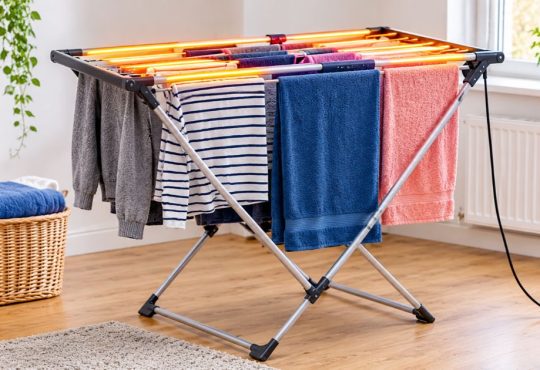
Infrared panels warm people and objects directly instead of heating the air. The warmth feels quick and comfortable, particularly in home offices or rooms used for short spells.
They aren’t magic. Each unit of electricity costs the same as it would for any other electric heater. Their strength is targeted warmth. With a timer or thermostat, they can beat heating a whole house for one person.
Electric radiators and storage heaters
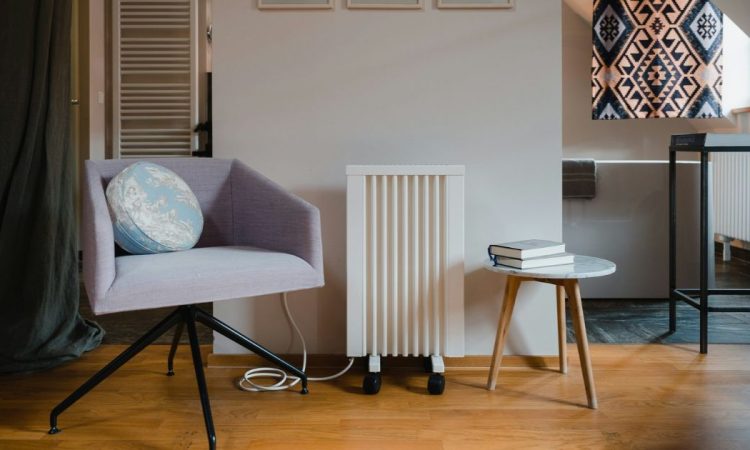
Modern electric radiators have digital thermostats and seven-day timers, so they heat only when needed. Storage heaters charge overnight on cheaper off-peak electricity, then release warmth through the day. Newer models are far better controlled than the clunky older types.
They suit flats and homes without gas. You will need a suitable tariff, such as Economy 7, to get the full benefit.
Oil-filled radiators and fan heaters
Oil-filled radiators hold heat well and suit steady background warmth. Fan heaters warm up fast but cool quickly, so they suit short bursts. Choose models with a thermostat, a timer and tip-over protection. Never leave portable heaters unattended or drape clothes over them.
Better controls for gas central heating
If you rely on gas, controls matter more than new radiators. Thermostatic radiator valves (TRVs) let you set each room’s temperature. A programmable or smart thermostat stops you heating an empty house. A Gas Safe registered engineer can also check whether lowering your boiler’s flow temperature would help it run more efficiently.
Fix the Building Before the Heater
Heat escapes through roofs, walls, windows and gaps. Tackle these leaks first, because no heater is efficient if warmth pours straight out.
- Loft insulation: Often one of the most cost-effective upgrades.
- Draught-proofing: Seal gaps around doors, windows, letterboxes and floorboards.
- Thick curtains: Close them at dusk to cut heat loss through glass.
- Radiator reflector foil: Cheap, and useful behind radiators on external walls.
Start with the low-cost jobs. Draught-proofing costs little and pays back quickly. Larger projects, such as wall insulation, cost more but cut heating demand for years. A well-insulated home also lets you choose a smaller, cheaper heater.
Keep some ventilation, though. Damp air causes mould, so don’t block air bricks or extractor vents.
Practical Ways to Lower Heating Costs
Small habits add up over a winter.
- Heat the room you use. Close doors to keep warmth where you need it.
- Choose sensible temperatures. Many health bodies suggest at least 18°C in main living areas, and warmer for older or vulnerable people.
- Use timers. Switch heaters on shortly before you need them, not hours earlier.
- Turn the thermostat down by one degree. It’s barely noticeable and can trim bills.
- Bleed radiators and clear furniture away from them. Trapped air and blocked heat both reduce output.
- Dress for the weather indoors. A jumper and a throw cost nothing to run.
Which Heater Suits Which Room?
Matching the heater to the space is where energy efficient space heating pays off.
- Home office: An infrared panel or thermostatic convector heater.
- Bedroom: An oil-filled or electric radiator on a timer.
- Living room: Central heating with TRVs, or a heat pump if you’re upgrading.
- Extension or conservatory: An air-to-air heat pump, if the budget allows.
- Rented flat: A portable thermostatic heater or plug-in electric radiator.
Tenants can ask their landlord for the property’s Energy Performance Certificate (EPC), which rates how efficient a home is. It also lists recommended improvements.
Grants and Support in the UK
Support schemes change often, so check GOV.UK before you buy. The Boiler Upgrade Scheme has offered grants towards air source and ground source heat pumps in England and Wales, with eligibility rules and certified installers required. The Energy Company Obligation (ECO) and some council programmes help eligible low-income households with insulation and heating upgrades. Scotland and Northern Ireland run their own schemes.
Be cautious of cold callers promising “free” upgrades. Always check an installer’s registration first.
Frequently Asked Questions
What is the most energy efficient way to heat a room?
For one room, a thermostat-controlled electric heater or an air-to-air heat pump works well. Heat pumps are far more efficient, but they cost much more to install.
Are electric heaters cheaper to run than gas central heating?
Usually not per unit, because electricity costs more than gas. However, heating only one occupied room can still cost less than heating an entire house.
Do infrared heaters really save money?
They use the same electricity as other electric heaters. Savings come from warming only the area you occupy, quickly, with a timer or thermostat controlling use.
What temperature should I heat my home to?
Many UK health bodies suggest at least 18°C in main rooms, with warmer settings for older or vulnerable people. Adjust for comfort and budget.
Conclusion
Energy efficient space heating isn’t about one miracle product. It’s about heating the right rooms, at the right times, in a home that keeps its warmth. Fix draughts and insulation first, then choose a heater that suits the space, whether that’s a heat pump, an infrared panel or a well-controlled electric radiator.
Add timers, thermostats and sensible habits, and you’ll feel the difference in both comfort and cost. Check current grants before spending, and your home can stay warm without the bills climbing.
for more information click here