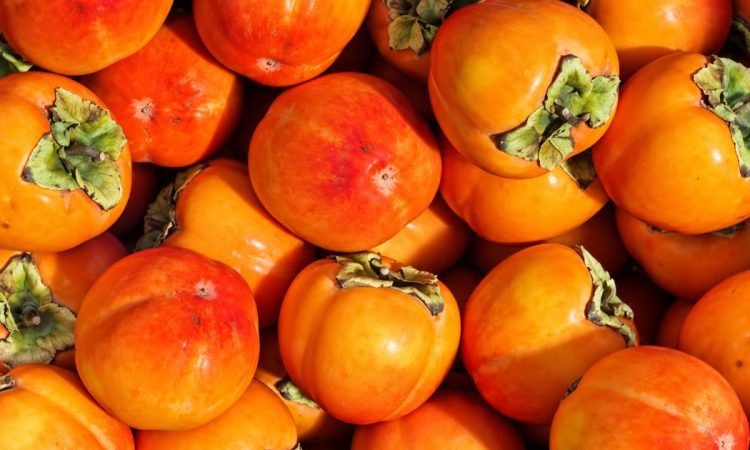

Do you eat the skin of persimmons? In most cases, yes. The skin of a ripe, firm persimmon is safe to eat, and many people prefer it left on. But the answer depends on the variety and how ripe the fruit is. A soft, jelly-like persimmon has very different skin from a crisp, apple-like one. Get it wrong and you may face a dry, furry mouthfeel that lingers. This guide explains which persimmons you can eat whole, when peeling makes sense, and how to prepare the fruit properly so every bite tastes sweet rather than bitter. It also covers storage, nutrition and a few common mistakes.
Do You Eat the Skin of Persimmons? The Short Answer
Yes, you can eat persimmon skin. It is thin, edible and a source of fibre. Most persimmons sold in UK supermarkets are the non-astringent kind, so you can bite straight in.
No variety has poisonous skin. The real issue is texture and taste. On an unripe astringent persimmon, the skin can feel rough and taste harsh. That is down to tannins, plant compounds that dry out your mouth. Ripe fruit holds far fewer soluble tannins, so the skin tastes mild.
Think of peeling as personal preference rather than a safety rule. If you like the skin, keep it. If you dislike the texture, peel it.
Astringent vs Non-Astringent Persimmons Explained
Persimmons fall into two broad groups. Knowing which one you are holding settles most skin questions.
Non-astringent varieties can be eaten while still firm. The best known in the UK is the Sharon fruit, a seedless persimmon sold in supermarkets from autumn into winter. Fuyu is another favourite. It is squat, crisp and a little like a flat tomato.
Astringent varieties, such as Hachiya, are usually acorn-shaped. You must wait until they turn completely soft. Until then, the tannins leave your mouth feeling dry and furry. Once ripe, the flesh becomes sweet and jelly-like.
Many Spanish persimmons, often sold under the name Rojo Brillante, are naturally astringent. Growers treat them after harvest so they can be eaten firm. Check the label if you are unsure.
Which Persimmon Skins Are Worth Eating?
Sharon fruit and Fuyu
The skin on these is thin and smooth. Most people eat it without noticing. Wash the fruit, cut off the leafy cap and slice it like an apple. The skin holds the slices together and adds a gentle bite.
Sharon fruit is especially convenient. It has no seeds, so there is little to remove. Slice it into salads, add it to a cheeseboard or pack it into a lunchbox.
Hachiya and other soft persimmons
A fully ripe Hachiya has delicate, almost slippery skin. You can eat it, but many people prefer to slice off the top and scoop out the pulp with a spoon. That avoids the slightly tougher skin near the stem.
If the fruit is still firm, do not bite into it. Leave it to soften first.
Dried persimmons
Dried persimmons are chewy and very sweet. Many are peeled before drying, so check the packet. Because dried fruit is sticky and sugary, enjoy it in small portions, ideally with meals to protect your teeth.
When Should You Peel a Persimmon?
Peeling is sensible in a few situations:
- The fruit is astringent and not fully ripe.
- The skin looks leathery, bruised or marked with dark patches.
- You are making a smooth purée, jam or baby food.
- Someone in the family dislikes the texture.
- You cannot wash the fruit properly first.
A sharp vegetable peeler works well on firm fruit. For very soft persimmons, scoop out the flesh instead. Peeling removes a little fibre, so keep the skin on when you can.
How to Wash and Prepare Persimmons
Good preparation takes under two minutes.
- Rinse the fruit under cool running water.
- Rub the skin gently with your hands or a soft brush.
- Pat it dry with a clean cloth.
- Remove the leafy cap with a small knife.
- Slice and check for seeds, which are brown, flat and best discarded.
Washing removes surface dirt and some residues. You do not need soap or a special produce wash. If you prefer to limit pesticide exposure, organic persimmons are sometimes available in UK supermarkets and greengrocers.
How to Tell When a Persimmon Is Ripe
Ripeness decides whether the skin tastes pleasant, so it is worth checking.
Firm varieties such as Sharon fruit and Fuyu are ready when the skin is deep orange and smooth. A slight give under gentle pressure is fine. They also taste good when crisp.
Astringent varieties need patience. They are ripe when very soft, like a water balloon, with glossy, slightly wrinkled skin. Leave them at room temperature. A paper bag with a banana or apple speeds things up.
Once ripe, store persimmons in the fridge and eat them within a few days. Some cooks freeze astringent persimmons overnight, then thaw them. This softens the flesh and can make it taste sweeter.
Easy Ways to Enjoy Persimmons With the Skin On
Once you know the fruit is ready, there are plenty of simple ideas.
- Slice Sharon fruit into a winter salad with rocket and walnuts.
- Add thin wedges to porridge or overnight oats.
- Serve slices with cheese, such as mature cheddar or goat’s cheese.
- Roast wedges with a little honey and cinnamon until soft.
- Blend ripe flesh into smoothies for natural sweetness.
Roasting softens the skin further, which suits anyone who finds it slightly firm. Cold salads work best when you slice the fruit thinly.
Common Mistakes to Avoid
A few simple errors cause most bad experiences with persimmons.
Eating an astringent variety too early is the biggest one. The dry, chalky feeling is unpleasant, and it can put people off the fruit for good. Wait until it is soft.
Another mistake is assuming all persimmons look alike. Shop labels vary, and names like Sharon fruit, kaki and persimmon can describe similar fruit. Ask the retailer or read the packaging if you are unsure.
People also forget the leafy cap. It is not meant to be eaten, so remove it before slicing.
Finally, do not judge ripeness by colour alone. A bright orange Hachiya can still be unripe inside.
Nutrition and Safety: What to Know
Persimmons provide fibre, vitamin C and carotenoids, the pigments that give them their orange colour. Keeping the skin on adds to the fibre. A portion of fresh persimmon can count towards your 5 A Day.
Eating the skin is safe for most people. The main caution involves unripe astringent fruit. In rare cases, large amounts of very tannic persimmons have been linked to stomach blockages called bezoars. Ripe fruit eaten in sensible amounts is very unlikely to cause problems.
If you have diabetes or a digestive condition, ask your GP or dietitian about portions.
Frequently Asked Questions
Is persimmon skin safe to eat?
Yes, persimmon skin is safe for most people. Wash it well first. If the fruit is astringent and not fully ripe, the skin may taste harsh, so wait until it softens.
Do you peel Sharon fruit before eating?
No. Sharon fruit has thin, smooth skin that most people eat. Wash it, remove the leafy cap and slice or bite into it like an apple.
Why does persimmon skin make my mouth feel dry?
Tannins cause that dry, furry feeling. They are strongest in unripe astringent persimmons, including the skin. Letting the fruit ripen until it is very soft usually removes the problem.
Can you eat the skin of a Hachiya persimmon?
You can once it is fully ripe and soft. Many people still scoop out the pulp, because the skin near the stem can be tougher.
Can children eat persimmon skin?
Yes, once washed, but cut firm fruit into small pieces for younger children to reduce choking risk. Peel it if they dislike the texture.
Conclusion
So, do you eat the skin of persimmons? Usually, yes. Firm varieties such as Sharon fruit and Fuyu can be eaten whole after a good wash. Soft Hachiya persimmons are best fully ripe, and many people scoop out the pulp. Skip the skin on underripe astringent fruit, since tannins make it unpleasant. Remove the leafy cap, check ripeness before you bite, and keep portions sensible. Once you know your variety, eating persimmons with the skin on is quick, tasty and easy. Pick one up this week and see which style you prefer.
for more information click here