
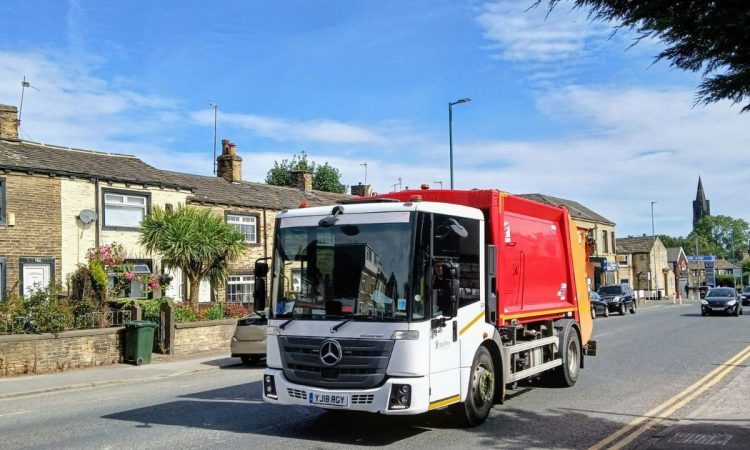

Lorry driving has been one of the UK’s most talked-about jobs since the shortage of 2021. So what is the average lorry driver wage UK employers pay today? Most full-time HGV drivers earn between £32,000 and £42,000 a year, based on recent salary surveys. Rigid drivers tend to sit lower. Articulated drivers, tanker drivers and agency workers can earn considerably more.
Figures vary because job sites, recruiters and official surveys measure pay differently. This guide explains the typical ranges, what pushes pay up or down, and how to work out what you would actually take home.
What Is the Average Lorry Driver Wage UK Employers Offer?
Several 2026 salary guides put the typical HGV driver wage between £30,000 and £40,000. Recruitment data for advertised roles suggests a slightly wider band, from about £31,000 to £44,000.
Why the gap? Each source uses different data. Some rely on official earnings surveys. Others use job adverts or self-reported figures. Adverts often look more generous because employers quote the top of a range or include overtime.
Beware very low averages, too. General “driver” figures on salary sites sit around £26,000. That number mixes van drivers, couriers and taxi drivers with HGV drivers. For a true lorry driver wage, look at HGV-specific roles.
Treat every figure here as an estimate. Your pay depends on your employer, region, shifts and licence. Always check the full offer, including hours, before comparing jobs.
Lorry Driver Pay by Licence Category
The licence you hold shapes your earnings more than almost anything else. Typical ranges look like this:
- Category C1 (3.5 to 7.5 tonnes): roughly £28,000 to £33,000. These are smaller delivery lorries.
- Category C (Class 2, rigid lorries): typically £28,000 to £38,000.
- Category C+E (Class 1, articulated lorries): usually £32,000 to £48,000.
Class 1 drivers earn more because articulated lorries are harder to handle and carry bigger loads. Employers also compete harder for them.
Many drivers start on a rigid licence, then add C+E once they have some experience. That upgrade is often the quickest route to a pay rise.
What about newcomers? Some guides still list starting pay at £19,000 to £24,000. Many employers now offer more to attract trained drivers, so shop around.
How Much Do Agency Lorry Drivers Earn per Hour?
Agency work pays by the hour, and the rates look attractive. Class 1 agency drivers commonly see £18 to £28 an hour, depending on region, shift and urgency. Some adverts for ongoing night work quote £17 to £21.
Do the sums carefully, though. Agency drivers often earn 15 to 25 per cent more per hour than employed colleagues. But hours are not guaranteed, and holiday pay and pension contributions may be weaker. Some agencies pay through umbrella companies, which charge a weekly fee.
Here is a simple example. £19 an hour for 48 hours a week works out at about £47,000 a year before tax. That assumes the work never dries up. A quiet fortnight or unpaid holiday can shrink the total quickly.
Employed drivers often accept a lower hourly rate in return for stability.
What Affects a Lorry Driver’s Pay?
Two drivers with the same licence can earn very different amounts. These factors matter most:
- Type of work. Local multi-drop rounds usually pay less than long-distance or night work. Staying away overnight often brings extra allowances.
- Sector. Supermarket distribution, construction supplies, fuel and waste each set their own rates.
- Location. London and the South East tend to pay more. Higher living costs cancel out some of the gain.
- Experience. A clean licence and several years’ driving make you more valuable.
- Extra qualifications. ADR certification for dangerous goods, or Hiab crane experience, can lift your rate.
- Employer size. Large logistics firms often offer pay scales, pensions and bonuses. Smaller hauliers may pay a higher basic rate but fewer benefits.
Every professional HGV driver also needs a Driver Certificate of Professional Competence. This is known as the Driver CPC, and employers expect you to hold it.
Which Lorry Driving Jobs Pay the Most?
Some roles consistently beat the average lorry driver wage UK-wide.
Tanker drivers carrying fuel or chemicals often earn roughly £40,000 to £58,000. They need an ADR certificate and extra training, which limits competition.
Long-distance drivers spend nights away from home. They often earn more through overtime and allowances, though the lifestyle is not for everyone.
Specialist drivers, such as Hiab operators, combine driving with crane work. Employers pay extra for the dual skill.
Owner-drivers run their own vehicle. Reported gross figures reach £50,000 to £80,000. After fuel, insurance, maintenance and finance, net profit is more often £35,000 to £60,000. Self-employment also brings paperwork, risk and no sick pay.
How Much Does a Lorry Driver Take Home?
Gross salary and take-home pay are different things. For the 2026/27 tax year in England, Wales and Northern Ireland, the first £12,570 of income is tax-free. Earnings up to £50,270 are taxed at 20 per cent. National Insurance takes 8 per cent across the same band. Scotland uses different income tax bands.
Here is a rough example for a £36,000 salary, before pension or student loan deductions:
- Income tax: about £4,690
- National Insurance: about £1,870
- Take-home pay: around £29,400, or £2,450 a month
Pension contributions will reduce that slightly. Overtime and night premiums may raise it. Check current tax rates on GOV.UK, or ask your payroll team for an exact figure.
How Can You Increase Your Lorry Driver Wage?
You have more control than you might think. These steps help most:
- Upgrade to Category C+E. Class 1 work pays noticeably more than rigid work.
- Add specialist skills. ADR and Hiab experience open up better-paid jobs.
- Consider shift patterns. Nights and weekends often carry premiums.
- Compare the whole package. Look at overtime rates, holiday pay, pension, sick pay and time away from home.
- Build a strong record. After a year or two without incidents, ask for a review.
Training costs vary between providers, so compare quotes. Some employers fund training in return for a minimum service period. Read any agreement carefully first.
Frequently Asked Questions
How much does a new HGV driver earn in the UK?
Newly qualified drivers commonly start between roughly £24,000 and £30,000, depending on region and employer. Pay often rises quickly once you gain experience and, ideally, a Class 1 licence.
Do Class 1 lorry drivers earn more than Class 2?
Yes, usually. Class 1 drivers typically earn about £32,000 to £48,000, while Class 2 rigid drivers more often earn £28,000 to £38,000, depending on the employer and sector.
Is agency lorry driving better paid?
Hourly rates are usually higher, often £18 to £28, but work and hours are not guaranteed. Holiday pay and pensions may also be weaker than in permanent jobs.
Is there still a lorry driver shortage in the UK?
Recruitment data shows demand for HGV drivers remains strong in 2026, which helps keep pay competitive. Shortages vary by region and sector, so check local vacancies.
Conclusion
The average lorry driver wage UK drivers can expect sits roughly between £32,000 and £42,000, with rigid roles below that and Class 1, tanker and specialist work above it. Your licence, sector, shift pattern and employer all shape the final figure. Remember that gross pay is not take-home pay, and agency rates come with trade-offs. If you want to earn more, upgrade your licence, add specialist skills and compare the full package, not just the headline number.
for more information click here