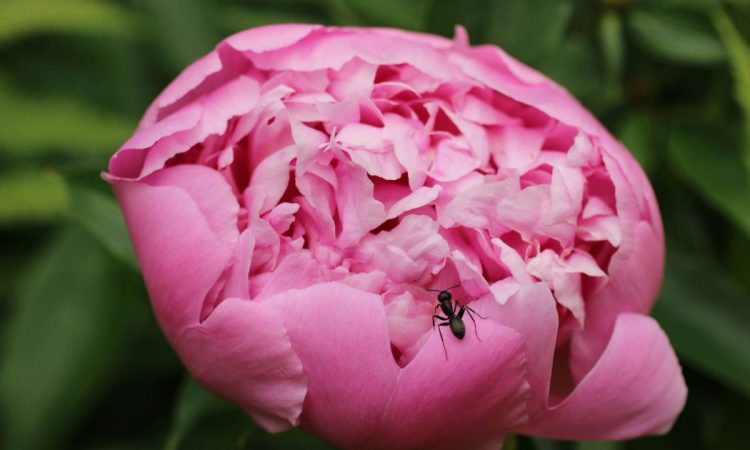

Spot a trail of ants marching over your peony buds and you might worry. Don’t. Peony plants and ants have a long, harmless partnership, and the insects rarely cause any damage. They are simply after the sweet, sticky nectar the buds produce. Many gardeners also believe ants are needed to open the flowers. That is a myth. This article explains why ants visit, what they actually do, when they might signal a problem, and how to keep them away from cut stems without harming your garden. You will also find practical tips for bringing blooms indoors, plus answers to common questions.
Why Are There Ants on My Peony Buds?
Peony buds secrete a sugary liquid from tiny glands on the outer petals (sepals). Botanists call these glands extrafloral nectaries, meaning nectar sources found outside the flower itself.
The sweet droplets appear as the buds swell, typically in May in most UK gardens. Ants find the sugar quickly. They collect it, carry it back to the nest and return for more. That is why you often see a steady stream of ants climbing the stems on warm days.
The behaviour is natural, and it happens in gardens across the country every year.
Peony Plants and Ants: Do Ants Help Buds Open?
No. This is the most common myth about peony plants and ants.
Peony buds open because of warmth, sunlight and the plant’s own growth, not because ants chew or tickle them. Gardeners have long noticed ants on the buds, so they assumed the insects were helping. In reality, the ants simply turn up for the food.
Peonies bloom perfectly well in gardens with no ants at all. Cut flowers also open indoors in a vase without any insect help. So there is no need to encourage ants or worry if you never see them.
When Do Ants Appear on Peonies?
Ant activity follows the bud stage. In the UK, herbaceous peonies usually form buds in spring and flower from May into June, depending on the weather and variety.
Ants arrive as the buds swell and nectar appears. Once the petals open fully, nectar production tends to fade and the ants drift away. A cold spring delays everything, so the ants arrive later too.
If you still see heavy ant traffic on open flowers, check the stems for aphids.
Are Ants Harmful to Peony Plants?
In almost every case, no. Ants feeding on nectar do not damage the petals, buds or foliage. They are not eating the plant. They are only drinking the sugary secretion on the surface. Reputable UK gardening sources, including the Royal Horticultural Society (RHS), generally treat this ant activity as harmless.
Problems only arise when ants point to something else. Ants also farm aphids, protecting them in return for honeydew, the sticky waste aphids produce. If you see clusters of tiny green or black insects on stems, you may have an aphid issue. The ants are a clue, not the cause.
How to Tell Ants From Real Peony Problems
Ants on buds are normal, but other signs deserve attention:
- Grey, fuzzy mould on buds or leaves, often botrytis, which thrives in damp, crowded conditions.
- Buds that turn brown and never open, sometimes linked to shade, cold snaps or planting too deeply.
- A white, powdery coating on leaves, which suggests powdery mildew.
- Sticky leaves with clusters of small insects, which point to aphids.
If you spot these, improve airflow, avoid watering over the leaves and remove affected growth. Bin it rather than composting it. Healthy peonies in a sunny spot rarely suffer badly.
Why Do Peonies Produce Nectar for Ants?
Why would a flower feed ants at all? Researchers have suggested a possible reason. Ants that gather nectar may also chase away other insects that nibble buds.
This kind of mutual benefit is called mutualism, where both sides gain something. The ants get food and the plant may get some protection. However, the evidence is mixed, and gardeners do not need to rely on it.
The key point for home growers is simple. Nectar-feeding ants are part of normal peony behaviour, not a sign of failure.
Should You Remove Ants From Peony Plants?
Usually, leave them alone. Ants do no harm outdoors, and they tend to wander off once the flowers open and the nectar slows.
Spraying insecticide is unnecessary and can harm bees, ladybirds and other useful insects. If you grow peonies near a seating area, you can simply wait. Chemical sprays also risk the flowers themselves.
If aphids are behind the ant activity, start gently. A strong jet of water from the hose knocks many aphids off the stems. Squashing small clusters by hand works too. Encouraging ladybirds and hoverflies by planting nectar-rich flowers nearby helps keep numbers down over time.
How to Keep Ants Off Cut Peonies Indoors
Nobody wants ants crawling across the dining table. Cut stems when buds feel soft like a marshmallow but are still closed. This is the usual florist’s advice for good vase life. A few simple steps keep the ants outside:
- Shake each stem gently outdoors to dislodge ants.
- Check between the petals and under the leaves.
- Run cool water gently over the stems to wash away sticky nectar and stragglers.
- Stand the stems in a bucket outdoors for a short while so any remaining ants wander off.
- Pat dry, strip the lower leaves, recut the stems and place them in clean water.
Ants are only hitchhikers. They will not harm the cut flowers, and the sweet nectar rinses off easily.
Which Ants Visit Peony Plants in UK Gardens?
The black garden ant (Lasius niger) is the species most UK gardeners meet. It nests in lawns, under paving slabs and in beds, and it is not dangerous to people.
Ants may tunnel near plant roots, which can dry the soil in hot spells, so water young plants well in dry weather. Established peonies are tough and rarely suffer.
Will Ants From Peonies Move Into My House?
Not usually. Worker ants visiting your peonies belong to a nest that is probably in the garden. They usually enter homes only when they find food or a convenient route.
To reduce the risk, keep vases clean, wipe up sticky drips and change the water every couple of days. Seal gaps around doors and keep food in airtight containers. If a nest keeps coming back indoors, ask a qualified pest controller rather than using harsh products around children and pets.
Keeping Peonies Healthy All Season
Strong plants shrug off most visitors. A few habits help peonies thrive in UK gardens:
- Choose a sunny spot with plenty of direct light, ideally at least six hours a day.
- Plant the crown, the point where shoots grow, no more than about 5cm below the surface.
- Leave space between plants so air can move freely, which reduces mould.
- Water in dry spells and avoid moving established plants, as peonies dislike disturbance.
- Cut back old foliage in autumn and bin it to limit disease.
Follow these basics and you will see more flowers and fewer problems. The ants will still visit in May, but they will matter far less.
Frequently Asked Questions
Do ants harm peony flowers?
No. Ants feed on sugary nectar from the buds and do not damage petals or leaves. They are harmless visitors, though heavy numbers can signal aphids worth checking.
Do peonies need ants to bloom?
No. Peonies open through warmth and light, not ant activity. Plants grown in ant-free gardens and cut stems in vases open normally, so you never need to encourage ants.
How do I get rid of ants on peonies?
Usually you do not need to. Shake cut stems outdoors and rinse them gently before bringing them inside. Avoid insecticides, which can harm bees and other helpful garden insects.
Why do ants crawl on peony buds that won’t open?
Ants follow nectar, not problems. If buds stay closed, look at sunlight, planting depth, cold snaps and dryness instead. Ants are rarely the reason a bud fails.
Conclusion
Peony plants and ants go together naturally. The ants come for the sweet nectar on the buds, they do not harm the plant, and they do not make the flowers open. Watch for aphids, mould and other genuine problems instead. Shake and rinse cut stems before bringing them indoors, avoid unnecessary sprays, and give your peonies sun, space and good airflow. Do that, and the ants will soon move on once the blooms open. Next spring, you can enjoy the scene calmly and let your peonies steal the show.