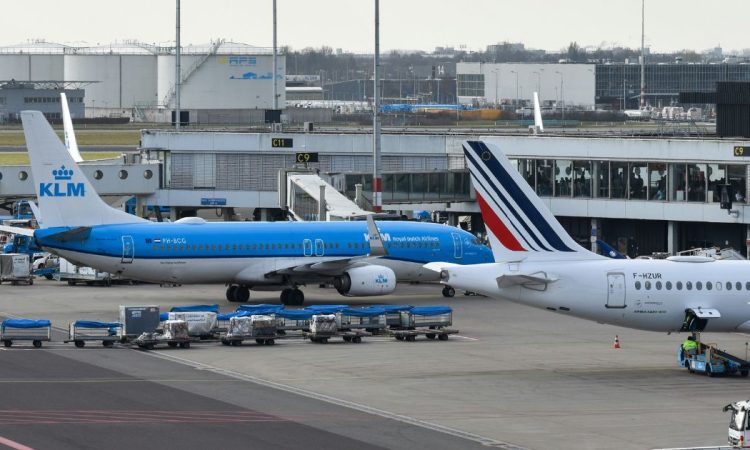

A French air traffic control strike can wreck a holiday without a single British controller walking out. Even if you never plan to land in France, your flight may cross it. When French controllers strike, delays and cancellations spread across Europe within hours.
If you have a trip booked, you probably want three answers. Will your flight be affected? What are your rights? What should you do now? This guide answers all three in plain English. It also explains why these strikes happen and how to protect your plans.
Strike notices change quickly, so always confirm the latest news with your airline before you travel.
What Is a French Air Traffic Control Strike?
Air traffic controllers guide aircraft safely through the sky. They tell pilots when to take off, which route to follow and how high to fly. France manages some of Europe’s busiest airspace, so its controllers guide a large share of continental traffic.
During a strike, fewer controllers are on duty. The French civil aviation authority, the DGAC, then asks airlines to cut flights so the remaining staff can work safely. That is why cancellations often arrive in waves, with airlines trimming schedules before the walkout begins.
The impact goes beyond French airports. Flights from the UK to Spain, Portugal or Italy often cross French airspace. Airlines can reroute, but longer paths burn more fuel and clog neighbouring skies.
Why Do French Air Traffic Controllers Strike?
Unions usually raise a mix of issues. Pay comes up often, especially when prices rise faster than salaries. Staffing is another. Unions argue that too few controllers cover too much traffic. Changes to working practices, such as attendance checks in control towers, have also sparked action.
Several unions represent French controllers, and they do not always agree. In July 2025, UNSA-ICNA called a strike for 3 and 4 July, while the largest union, SNCTA, stayed out. Later that year, SNCTA cancelled a planned three-day strike after talks with management.
France has also tightened the rules. Controllers who plan to strike must now tell their employer at least 48 hours in advance. The aim is to give airlines time to plan, though disruption can still be severe.
How Does a French Air Traffic Control Strike Affect UK Flights?
UK passengers usually feel the effects in three ways:
- Cancellations: Airlines cut flights to and from French airports, including Paris.
- Delays: Flights crossing French airspace wait for slots or fly longer routes.
- Knock-on problems: A late aircraft in the morning can disrupt its later flights.
The July 2025 strike shows the scale. AP reported that about 40% of flights at Paris airports were cancelled on one day, and Ryanair said it cancelled 170 flights, affecting 30,000 passengers.
Low cost carriers often feel it most, because short routes and tight turnarounds leave little slack. Full service airlines still cancel flights when the DGAC orders cuts.
What Are Your Rights During a French Air Traffic Control Strike?
Your rights depend on your route and airline. UK passengers are covered by UK261, the UK version of the EU passenger rights rules. It applies to flights leaving UK airports on any airline, and to some flights arriving in the UK.
If your flight is cancelled, your airline must offer:
- A refund, or rerouting to your destination at the earliest opportunity
- Meals, refreshments and hotel accommodation while you wait, where needed
- Clear information about your options
Compensation is the tricky part. UK261 allows fixed payments for some cancellations and long delays, but not when the cause is an extraordinary circumstance. Air traffic control strikes normally fall into that group, so airlines usually refuse claims. Refunds, rerouting and care still apply.
A strike by the airline’s own staff is treated differently, so check which type of action caused your disruption. Keep your booking reference and every message the airline sends you. The UK Civil Aviation Authority publishes passenger guidance.
What to Do Before You Fly
Strike notices usually appear before the walkout, which gives you time to act.
- Check your booking. Use the airline app, not only email, for the latest status.
- Turn on alerts. Airline apps and flight tracking apps send updates as schedules change.
- Ask about changes. Some airlines let passengers rebook free of charge before an announced strike, so check your airline’s disruption page.
- Save contact details. Apps and online chat are often quicker than phone queues during disruption.
- Pack smart. Keep medication, chargers and a change of clothes in your hand luggage.
- Book connections on one ticket. Then the airline should help rebook you if a delay causes a missed connection.
Does Travel Insurance Cover Strike Disruption?
It depends on your policy and when you bought it. Many policies exclude strikes that were already announced at the time of purchase. Others offer cover for delays or cancellations, usually after a minimum delay stated in the policy. Read the wording carefully and contact your insurer if you are unsure. Check any bank account or credit card benefits too, as some include travel cover.
Package holidays are different. Under UK package travel rules, the organiser must help if your trip is disrupted, which can include arranging alternative travel.
Where to Check Live Updates
Use more than one source, because strike plans can change at short notice.
- Your airline’s app or website
- The DGAC, France’s civil aviation authority
- Eurocontrol, which monitors delays across European airspace
- Your departure airport’s live flight board
Strike notices are not always final. Some are cancelled after talks, while others go ahead. Check again on the day you travel.
Which UK Routes Are Most at Risk?
Flights to French cities such as Paris, Marseille, Nice and Lyon face the most direct risk. They depend on French airports and French controllers.
Overflights come next. Many UK flights to Spain, Portugal and Italy cross French-controlled airspace, so a beach holiday can be disrupted even without a French stopover. Airlines try to reroute, but the extra distance adds time and cost.
Flights within the UK, or between the UK and Ireland, are far less likely to be affected. However, a delayed aircraft arriving from elsewhere can still cause knock-on problems for your departure.
Should You Wait, Rebook or Travel Another Way?
If your flight is cancelled, you have choices. Waiting for the airline to rebook you costs nothing, but seats can run out fast during a strike. Arranging your own alternative may get you moving sooner, though the airline might not repay the cost.
For trips to Paris and northern France, Eurostar or a ferry and train journey can be an option. Seats may sell out quickly, so decide early.
Always ask the airline before you spend money. Keep every receipt and save written confirmation of what staff tell you. That evidence helps if you make a claim later.
Booking Smarter Around Strike Risk
You cannot predict every strike, but you can lower the risk.
- Pick morning departures where possible, since delays tend to build up through the day.
- Leave a generous gap between connecting flights.
- Choose flexible fares for important trips, such as weddings or business meetings.
- Buy travel insurance early, before any strike is announced.
Small choices like these will not stop a strike, but they give you more room to adapt when plans change.
Frequently Asked Questions
Is there a French air traffic control strike today?
Dates change often, so check your airline app, the DGAC and Eurocontrol for live updates. Individual controllers must give 48 hours’ notice, which usually leaves a short window to prepare.
Can I get compensation for a French air traffic control strike?
Usually not. Airlines treat air traffic control strikes as extraordinary circumstances, so fixed UK261 compensation normally does not apply. You can still claim a refund, rerouting and care such as meals and accommodation.
Will a French strike affect flights that only pass over France?
Yes, it can. Overflights may face delays, longer routes or cancellations because French airspace becomes less available. Your airline will contact you if your flight is affected, so keep your contact details updated.
How long does a French air traffic control strike last?
Many have lasted one or two days, though unions sometimes plan longer action. The notice states the dates, and knock on delays can continue after the strike ends.
Conclusion
A French air traffic control strike can disrupt flights far beyond France, but you are not powerless. Check your booking early, follow trusted updates and know your UK261 rights to a refund, rerouting and care. Compensation is usually unavailable, so flexible plans and the right insurance matter. Acting quickly gives you the best chance of staying on schedule or finding a good alternative. Prepare calmly, keep your receipts and stay informed, and a strike notice becomes a manageable inconvenience rather than a ruined trip.
for more information click here