
Few royal photographs have lasted as long as the image of Princess Diana sitting alone in front of the Taj Mahal. Taken in February 1992, it shows a quiet figure against one of the world’s most celebrated monuments. The princess diana taj mahal moment has since been discussed, analysed and recreated for decades. So what actually happened that day, and why does the picture still matter? This article explains the facts behind the visit, the meaning people read into the photograph and how the bench became a landmark of its own. It also covers practical advice for UK travellers who want to see the spot for themselves.
What Happened When Princess Diana Visited the Taj Mahal?
Diana visited the Taj Mahal in Agra on 11 February 1992, during an official tour of India. She was 30 at the time. Prince Charles was elsewhere on separate engagements, so she toured the monument without him.
Her husband’s absence is part of why the visit gained attention. The couple’s marriage was under strain, and the press was watching closely. Photographers captured her seated on a marble bench in front of the mausoleum, alone, with the white dome rising behind her.
The couple’s separation was announced later that year, in December 1992. That timing shaped how people read the photograph. Many saw it as a quiet sign of what was happening behind the scenes.
It helps to be careful here. A photograph shows a moment, not a full story. She was working, not holidaying, and her tour included engagements across several cities. The image is powerful, but it is only one frame of a busy week.
Why Did the Princess Diana Taj Mahal Photograph Become So Famous?
The picture works on several levels. The Taj Mahal is often described as a monument to love. It was built by the Mughal emperor Shah Jahan in memory of his wife, Mumtaz Mahal. Seeing a woman with a troubled marriage sit alone before it created a striking contrast.
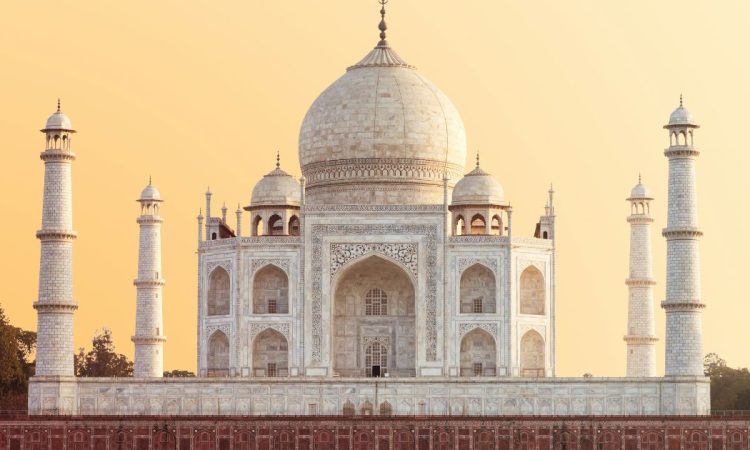
The composition also helps. The symmetrical gardens, the reflecting pool and the pale marble frame a single figure. Even without context, the photograph feels calm and a little sad.
Public interest in Diana played a large part too. She was one of the most photographed women in the world, and people felt a personal connection to her story. After her death in 1997, the image took on added weight. It became a shorthand for her vulnerability, but also for her independence.
Different people read it differently. Some see loneliness. Others see a woman choosing her own path. Both views are reasonable, and neither is a verified account of what she felt.
Where Is the Diana Bench at the Taj Mahal?
The bench sits in the gardens in front of the mausoleum, beside the long reflecting pool. Guides and visitors now call it the Diana bench or Diana seat. It is a simple marble seat, but it has become one of the most photographed spots in the grounds.
Guides in Agra often point it out, and many visitors queue to pose there. Expect a wait during busy periods. Patience helps if you want a clear photo without crowds in the background.
The Taj Mahal is a UNESCO World Heritage Site. Visitors are asked to treat the seat and surrounding marble with care. Do not climb on structures, and follow staff instructions at all times.
How William and Kate Echoed the Moment in 2016
In April 2016, the then Duke and Duchess of Cambridge, now the Prince and Princess of Wales, visited the Taj Mahal during a royal tour of India and Bhutan. They paused at the same bench where Diana had sat 24 years earlier. The moment drew wide coverage in the British press.
The tone was very different from 1992. William and Catherine arrived together and posed side by side, in what many commentators saw as a nod to his mother. It offered a gentler, happier echo of the original image.
For many readers in the UK, the 2016 visit linked a historic place with a family story they already knew. It also reminded people why the bench continues to attract attention.
What Does the Taj Mahal Itself Represent?
Beyond the royal connection, the Taj Mahal is one of the great buildings of the world. Shah Jahan commissioned it after Mumtaz Mahal died in 1631. Construction continued for many years, and the main mausoleum was largely complete by the early 1650s.
The monument is made of white marble inlaid with semi-precious stones. Its design blends Persian, Islamic and Indian architectural traditions. Four minarets stand at the corners of the platform, and the central dome rises high above the gardens.
UNESCO added the Taj Mahal to its World Heritage List in 1983, recognising it as a masterpiece of human creative genius. Today it draws millions of visitors each year, from Indian families to international travellers.
For many Muslim readers, it also holds cultural and historical meaning as a masterpiece of Mughal architecture. Understanding that background makes the Diana story richer. The photograph is memorable partly because the setting is so remarkable.
Common Misunderstandings About the Photograph
A few myths circulate online, so it is worth clearing them up.
First, Diana was not travelling alone in India. She was on an official tour, with staff and security, and she carried out a full programme of engagements.
Second, the photograph did not cause the separation. The couple’s difficulties were already widely discussed, and the image simply captured a moment.
Third, the bench was not built for her. It is generally described as an existing seat in the gardens that took her name afterwards.
Finally, the photograph is not the only reason people remember the trip. During the same tour, she met Mother Teresa in Calcutta, now Kolkata, and visited charitable projects. Those moments reflect the humanitarian work she became known for.
Visiting the Taj Mahal and the Diana Bench: Tips for UK Travellers
Planning a trip? A little preparation makes the day smoother. Here are the practical points worth knowing.
- Arrive early. Gates usually open around sunrise, and the early hours are cooler and quieter. Check current opening times before you travel.
- Check closing days. The monument is normally closed to tourists on Fridays, but confirm this in advance.
- Book tickets officially. Use the Archaeological Survey of India’s official channels and avoid unofficial sellers. Ticket prices for foreign visitors are far higher than for Indian citizens, so check the current cost.
- Hire a licensed guide. A guide can explain the history and point out the bench, though agree the price before you start.
- Dress modestly. Light, loose clothing covers shoulders and knees, and suits the heat.
- Travel from Delhi. Agra lies roughly 200 km from Delhi, and trains and road transfers are the usual routes.
- Check UK travel advice. The Foreign, Commonwealth & Development Office (FCDO) publishes up-to-date guidance for India, including entry requirements.
Photography is allowed in the grounds, but not inside the main mausoleum, so look for signs.
Frequently Asked Questions
When did Princess Diana visit the Taj Mahal?
Princess Diana visited the Taj Mahal on 11 February 1992, during an official tour of India. She was photographed sitting alone on a marble bench in front of the monument.
Why is it called the Diana bench?
The seat took her name after the 1992 photograph made it famous. Visitors now use “Diana bench” or “Diana seat” to describe the spot in the gardens facing the mausoleum.
Did Prince Charles visit the Taj Mahal with Diana?
Not on her famous 1992 visit. Charles was elsewhere on separate engagements that day, and Diana toured the monument without him. William and Catherine later sat at the same bench in April 2016.
Can tourists still visit the Diana bench?
Yes, the bench is in the main gardens and tourists commonly stop there for photos. Expect queues at busy times, and follow staff instructions to help protect the monument.
What did the Princess Diana Taj Mahal photograph symbolise?
Opinions differ. Many see it as a symbol of a strained marriage, while others see independence. The photograph itself cannot confirm her feelings, so treat interpretations as opinion rather than fact.
Conclusion
The Princess Diana Taj Mahal photograph endures because it combines a remarkable building with a human moment. Taken on 11 February 1992, it shows Diana alone before a monument built to honour love. People still read it as a sign of her struggles and her independence, though the image alone cannot prove either. The bench, the 2016 royal visit and the wider story of the Taj Mahal keep the memory alive. If you travel to Agra, a little planning will let you appreciate both the history and the picture.
for more information click here