
Choosing a freight company sounds simple until a pallet goes missing, a customs form is wrong or an invoice arrives with charges nobody mentioned. The right provider moves your goods safely, on time and at a fair price. The wrong one costs you money and customers.
This guide explains what a freight company does, the main service types and how UK businesses can compare providers with confidence. You will also find the questions worth asking before you sign, the factors that shape costs and the warning signs to watch for.
What Does a Freight Company Do?
A freight company arranges or carries the movement of goods from one place to another. That might be a van collecting boxes in Leeds, a lorry delivering pallets to Glasgow or a container crossing the North Sea.
Some firms own their lorries, ships or aircraft. These are carriers. Others, known as freight forwarders, plan the journey and book space with several carriers on your behalf. Many UK providers do both.
A good freight company usually offers more than transport. Typical services include:
- Collection and delivery
- Warehousing and storage
- Customs paperwork for imports and exports
- Tracking and proof of delivery
- Goods-in-transit insurance
Knowing which of these you need makes quotes much easier to compare.
Main Types of Freight Services
Freight comes in several forms. The best option depends on what you ship, how far it travels and how quickly it must arrive.
Road Freight
Road is the backbone of UK haulage. It suits domestic deliveries and shipments to Europe. You can book a full load or share space with other customers through groupage, also called less than truckload (LTL). Sharing costs less but may take longer, because the lorry makes several stops.
Sea Freight
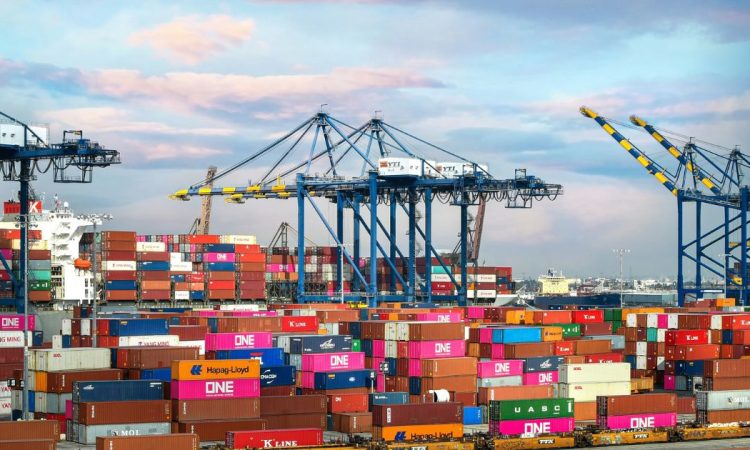
Sea freight moves goods in containers. It is slow but economical for heavy or bulky items. A full container load (FCL) gives you the whole box, while less than container load (LCL) shares it with others. Allow time for port handling, customs checks and inland delivery at both ends.
Air Freight
Air is the fastest option over long distances. It costs more per kilogram, so it suits urgent, high value or lightweight goods such as electronics and medical supplies.
Rail and Multimodal
Rail links are growing on some routes. Multimodal shipping combines methods, such as sea then road, to balance speed and cost.
How to Choose the Right Freight Company
Start with your own needs, then judge providers against them. Price matters, but it should never be the only measure.
Check Credentials
Ask whether the firm holds the right licences. UK hauliers carrying goods in vehicles over 3.5 tonnes gross weight generally need an operator’s licence. Membership of a trade body such as Logistics UK or the British International Freight Association (BIFA) is a helpful sign, though not a guarantee. Quality accreditations such as ISO 9001 add reassurance.
Match Services to Your Goods
A company that moves pallets of tiles every day may not suit frozen food or fragile equipment. If you ship temperature-sensitive goods, including halal-certified food, ask how loads are kept separate and how temperatures are recorded. Request examples of similar work.
Compare Coverage and Transit Times
Confirm where the firm collects and delivers. Ask for realistic transit times rather than best-case promises. Find out what happens during delays, such as port congestion or bad weather.
Judge Communication and Technology
Good providers offer online booking, live tracking and clear contact details. When something goes wrong, you want a named person who answers the phone. Test this early. Send a query and note how quickly they reply.
Read Reviews Carefully
Check independent review sites and ask for references from existing customers. Look for patterns rather than single complaints. Repeated comments about hidden fees or poor communication deserve attention.
Questions to Ask Before You Book
A short call can reveal a lot. Ask these questions and keep the answers in writing:
- Is the quote all-inclusive? Ask about fuel surcharges, tail-lift fees, waiting time and storage charges.
- What insurance is included? Carrier liability is often limited, so find out how much cover applies per shipment.
- Who handles customs? For goods crossing a border, confirm who prepares declarations and whether you need an EORI number.
- What do the terms say? Read the liability limits and the time allowed to report damage.
- How do claims work? Ask how long the process takes and what evidence you need.
Always inspect goods on delivery. Note any damage on the delivery paperwork before the driver leaves. That small step makes a claim far easier.
What Affects Freight Costs in the UK?
Prices vary widely, so treat any online average with caution. Several factors shape your quote:
- Weight and volume: Carriers often charge by whichever is greater, actual weight or volumetric weight. A light but bulky parcel can cost more than expected.
- Distance and route: Longer journeys cost more, and remote postcodes often carry extra charges.
- Speed: Next-day or time-booked delivery costs more than standard service.
- Handling needs: Hazardous goods, temperature control and fragile items add cost.
- Seasonal demand: Prices usually rise before Christmas and during peak shipping periods.
- Surcharges: Fuel and other charges may change between quote and delivery, so check whether your price is fixed.
Ask three or four providers for quotes using identical details. Include dimensions, weight, packaging type, collection and delivery addresses and any access restrictions. Identical information makes the comparison fair.
Freight Company, Carrier or Courier: Which Do You Need?
Couriers suit small parcels and documents, usually under about 30 kilograms. Pallets and larger loads generally need a freight company or pallet network.
If you ship across borders often, a forwarder simplifies the paperwork. For occasional heavy items, a local haulier may be cheaper. Many small businesses start with a courier and move to a freight company as volumes grow.
Customs and Paperwork for International Shipments
Shipping between Great Britain and the EU involves customs declarations. Your provider can often prepare these, but you remain responsible for accurate information. Keep invoices, commodity codes and proof of origin organised.
Agree your Incoterms too. These standard trade terms, such as EXW or DAP, set who pays for each stage and who carries the risk. Rules change, so check GOV.UK for current import and export requirements before every new type of shipment.
Warning Signs to Avoid
Most problems show up before you book. Be cautious if you see any of these:
- A quote far below every other offer
- No physical address, company number or landline
- Pressure to pay the full amount upfront by bank transfer
- Vague terms about liability or extra charges
- No tracking or proof of delivery
You can check a company’s registration on Companies House for free. It takes two minutes and can save you a costly mistake.
Frequently Asked Questions
What does a freight company do?
It collects, transports and delivers goods by road, sea, air or rail. Many also offer warehousing, customs paperwork, tracking and insurance, so businesses can manage the whole journey with one provider.
How much does a freight company charge?
There is no fixed price. Costs depend on weight, volume, distance, speed and handling needs. Request several like for like quotes and check which surcharges are included before you accept.
Is a freight forwarder the same as a freight company?
Not always. A forwarder organises shipments and books space with carriers, while a carrier physically moves the goods. Many UK freight companies offer both services under one roof.
Do I need goods in transit insurance?
It is strongly advisable. A carrier’s standard liability is usually capped, often well below the real value of your goods. Separate cover protects you against loss, theft or damage.
Conclusion
Finding a dependable freight company comes down to preparation. Know what you are shipping, compare like-for-like quotes and check credentials, insurance and customs support before committing. Read the terms, test their communication and watch for warning signs such as vague pricing or pressure to pay upfront. Whether you need a local haulier or an international forwarder, the right partner saves time, protects your goods and keeps customers happy. Take an extra day to choose carefully now, and every future shipment becomes easier to manage.
for more information click here