
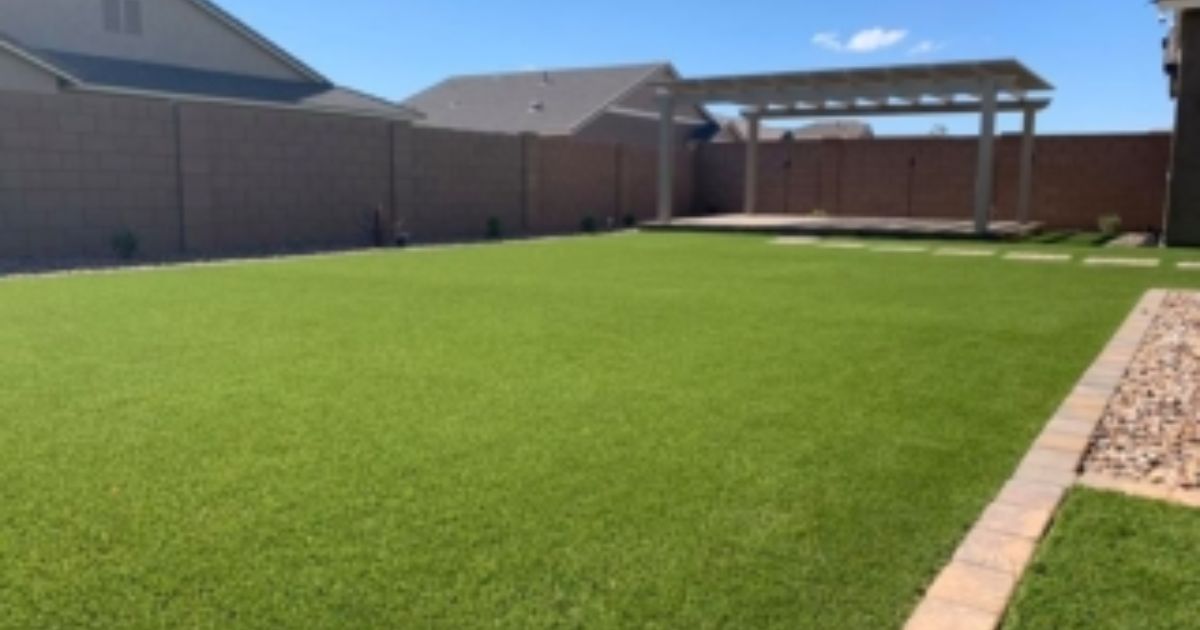

If you’ve just had artificial grass laid, or you’re planning to, let’s talk about the bit everyone forgets until the last minute: the edges. I learned this the hard way when I installed fake turf in my own back garden a couple of years ago and completely underestimated how much the edging would matter. Good artificial lawn edging ideas aren’t just about looks — they stop your grass fraying, shifting, and looking cheap within months. In this post, I’ll walk you through the best options, common mistakes, and a few things I wish someone had told me before I started.
Why Artificial Lawn Edging Actually Matters
I’ll be honest — when I first laid my fake lawn, I thought edging was optional. A nice-to-have. I was wrong.
Within about six weeks, the edges of my turf had started curling up at the corners near the patio. Rainwater was getting underneath, and the grass blades along the border were splaying out in weird directions. It looked untidy, and worse, it looked obviously fake — which defeats the whole point.
Proper edging does three things: it holds the turf firmly in place, it creates a clean visual line between your lawn and everything else, and it protects the edges from wear and weather damage. According to industry data, poorly installed edging is one of the most common reasons artificial grass fails prematurely, often needing repair within the first year. That’s a lot of wasted money for something that’s genuinely fixable at the planning stage.
Have you ever seen a fake lawn that just looks… off, even from a distance? Nine times out of ten, it’s the edges giving it away, not the grass itself.
Popular Artificial Lawn Edging Ideas to Consider
There isn’t one “correct” way to edge artificial grass it really depends on your garden style, budget, and what’s bordering the lawn. Here are the options I’d genuinely recommend looking into.
Timber edging is probably the most popular choice in the UK, and for good reason. It’s affordable, easy to install yourself, and gives a natural, cottage-garden feel. Treated timber battens work well, though you’ll want to make sure they’re pressure-treated to survive our lovely British weather.
Metal or steel edging is brilliant if you want crisp, razor-sharp lines. It’s more expensive than timber but incredibly durable and low maintenance. I’ve seen it used a lot in modern, minimalist garden designs where straight lines are the whole point.
Composite edging boards are a bit of a middle ground — they don’t rot like timber, don’t rust like some metals, and hold their colour well. Slightly pricier upfront, but you’re not repainting or replacing them every few years.
Brick or block paving edging suits period properties or gardens with existing brickwork. It blends beautifully with patios and pathways, though it does take more effort (and often a professional) to install properly.
Rubber edging strips are a budget-friendly, flexible option, especially good for curved lawn shapes where rigid materials struggle to bend cleanly.
Which one would suit your garden best? A lot depends on whether your lawn has straight edges or sweeping curves worth sketching it out before you decide.
How to Install Artificial Lawn Edging: A Simple Guide
You don’t need to be a landscaping expert to get this right, but a bit of planning goes a long way.
- Mark out your lawn shape first. Use string lines or a hose pipe to map the exact border before buying any materials. This saved me from ordering the wrong length of timber twice.
- Dig a shallow trench along the perimeter, roughly 5-10cm deep depending on your chosen edging material.
- Secure the edging using stakes, ground pins, or mortar (for brick edging). Make sure everything sits level — uneven edging is one of those things that looks fine on day one and terrible by week three.
- Leave a small gap for drainage if you’re using solid edging like timber or metal, so water doesn’t pool against your turf.
- Trim your artificial grass to fit snugly against the edging, then secure it with turf pins or adhesive, depending on your setup.
An expert tip from a landscaper I spoke to while researching my own garden project: always fix the grass to the edging with galvanised turf pins spaced no more than 15cm apart around the border — this is the single biggest factor in preventing lifting and curling over time.
Common Mistakes People Make With Artificial Lawn Edging
I made a few of these myself, so consider this a bit of a confession list.
- Skipping the sub-base preparation. Edging only works well if the ground underneath is properly compacted. I rushed this step and had to redo a section within a year.
- Using untreated timber. It rots faster than you’d think, especially in a typical damp UK garden.
- Not accounting for drainage. Water needs somewhere to go, or you’ll end up with soggy patches right at the border.
- Choosing edging that doesn’t match the rest of the garden. It sounds minor, but mismatched materials really stand out.
- Cutting corners on fixings. Cheap pins or insufficient stakes mean your edging shifts over time.
Is it worth spending a little extra to avoid these issues? In my experience, absolutely — the cost of redoing edging later is almost always higher than doing it properly the first time.
Choosing the Right Edging for Your Garden Style
Think about your garden as a whole, not just the lawn in isolation. A cottage garden with mixed borders suits timber or even a soft rubber edge. A sleek, contemporary space with clean lines calls for steel or aluminium. If you’ve got a patio with existing paving, matching brick or stone can tie everything together beautifully.
I’d also suggest thinking long-term. Artificial grass itself can last well over a decade, so cheaping out on edging now often means replacing it two or three times over the lifespan of the lawn.
FAQ
Do I need edging for artificial grass, or is it optional?
Technically it’s optional, but I wouldn’t recommend skipping it. Edging keeps the turf secure, prevents fraying, and gives a much neater finish overall.
What’s the cheapest artificial lawn edging option?
Timber and rubber edging strips tend to be the most budget-friendly choices, while still offering decent durability if properly installed.
Can I install artificial lawn edging myself?
Yes, in most cases. Timber and rubber edging are fairly DIY-friendly. Brick or paved edging is trickier and often benefits from professional help.
Final Thoughts
Choosing the right artificial lawn edging ideas really does make or break the finished look of your garden. From timber to steel to brick, there’s an option to suit every style and budget. Take your time planning the shape, prep the ground properly, and don’t skimp on fixings. Trust me — a weekend spent getting the edges right will save you a lot of hassle (and money) further down the line.