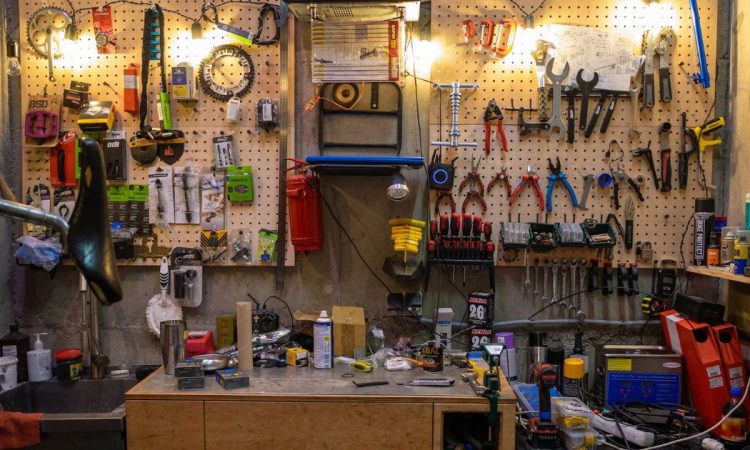

A good workbench turns a cluttered garage into a proper workspace. Yet many UK homeowners buy the first bench they see, then find it wobbles, sits too low or swallows half the floor. Choosing the right garage workbenches comes down to four things: how you will use it, how much space you have, how much weight it must carry and what you can afford. This guide covers each type, the materials worth considering and the mistakes to avoid. Whether you repair bikes, build furniture or simply need somewhere to keep tools, you will find a clear answer here.
What Makes a Good Garage Workbench?
A garage workbench is a sturdy work surface built for cutting, sanding, assembling and repairing. It differs from an ordinary table in three ways. It is stronger, it tolerates hammering and scratching, and it sits at a comfortable standing height.
Conditions matter too. Many UK garages are damp, cold and draughty, so a bench that suits a dry workshop may warp or rust here.
A good bench does three jobs. It holds your project steady, carries the weight of tools without flexing and keeps essentials within arm’s reach.
Types of Garage Workbenches
Different jobs call for different benches. These are the main styles sold in the UK.
Fixed Steel Workbenches
Steel frames with a timber or laminate top are the most common choice. They are strong, tidy and often include shelves or drawers. They suit general repairs and car maintenance. Check the stated load capacity before buying.
Wooden Workbenches
Timber benches suit woodworking best. A solid top absorbs hammer blows and holds a vice well. They are heavier and often dearer, but you can sand and resurface them easily.
Folding and Wall-Mounted Workbenches
Short on space? A folding bench attaches to the wall and drops flat when needed. It suits small garages where the car still needs room. Check your wall first. Brick and block cope well, but thin stud walls may not.
Mobile Workbenches
Benches on lockable castors let you move work towards the light or the car. Choose heavy-duty castors with brakes, otherwise the bench creeps as you work.
Modular Systems
Modular systems let you add cabinets, pegboards and rails over time. They cost more but grow with your needs, which helps if you are still learning how you use the space.
How to Choose the Right Garage Workbench
Start with how you work, not the price tag.
Measure Your Space First
Measure the wall length, depth and clear floor space. Leave about 90cm in front of the bench so you can move freely. Allow for opening car doors too, if the car lives inside. Many integral garages are narrow, so a deep bench may be impractical.
Allow for Width and Depth
Most benches run between 1.2m and 2.4m long. Depth usually sits around 60 to 75cm. A deeper top gives more room, but it reduces floor space. In a typical single garage, a 1.5m to 1.8m bench along the back wall often balances work area and parking space. Measure twice before ordering.
Get the Height Right
A common rule is to set the surface at roughly wrist height when you stand with relaxed arms. For most adults, that is around 85 to 95cm. Fine work such as electronics suits a higher bench. Heavy sawing suits a lower one. Adjustable legs help if several people share it.
Check the Load Capacity
Manufacturers usually state a maximum weight. Choose a bench that carries well above your heaviest item, because vices, grinders and engine parts add up quickly. If a listing gives no capacity, treat that as a warning sign.
Plan Your Storage
Drawers keep small tools tidy. Shelves below hold heavier boxes. A pegboard or magnetic rail above keeps hand tools visible and saves time.
Garage Workbenches: Which Worktop Material Is Best?
The top takes the most punishment, so it deserves attention.
- Solid wood: durable and forgiving, ideal for woodworking, though it needs occasional oiling.
- MDF or chipboard: cheap and flat, but it swells when damp.
- Plywood: a good middle ground that is strong, stable and easy to replace.
- Steel: tough against oil and heat, but noisy and prone to rust if scratched.
- Laminate: easy to wipe clean, but it chips under heavy blows.
Damp is the big British concern. In an unheated garage, choose moisture-resistant materials or seal the surface with a suitable finish. A cheap hardboard sheet on top protects a good bench and is easy to replace.
Which Garage Workbench Suits Your Hobby?
Match the bench to the job.
Car and motorbike maintenance: Choose steel with a tough top that shrugs off oil. Add a vice and a sturdy shelf for heavy parts.
Woodworking: A solid timber top, a front vice and plenty of depth work best. Weight helps, because a heavy bench stays put under a plane.
Cycling and general repairs: A mobile or folding bench is enough. A pegboard keeps tools tidy and the space flexible.
Crafts and electronics: A smaller, brighter bench with a smooth top and good lighting is ideal. Add an anti-static mat for electronics.
Should You Buy or Build Your Workbench?
Buying saves time. A ready-made bench arrives with a stated load rating, and you can assemble it in an afternoon. That suits most people.
Building suits those who want a custom size or height. Many DIYers make a frame from structural timber with a plywood top. It can cost less, though the saving shrinks once you count fixings and your time.
Second-hand benches can be good value. Inspect the legs, joints and top for rot or rust, and test for wobble before paying. Avoid anything with cracked welds.
As a rough guide, basic benches are fairly affordable, while heavy-duty models can cost several hundred pounds. Prices vary by retailer and season, so compare a few options. Avoid paying for features you will never use.
Setting Up Your Bench Safely
Placement is part of the choice. Put the bench near a power socket under good lighting. A task lamp or LED strip reduces shadows and eye strain.
If you use power tools, a residual current device (RCD) protects against electric shock. A qualified electrician can advise if you are unsure about your garage wiring.
Level the bench before use, since wobbly legs cause slips and poor cuts. Fix tall units to the wall, because tipping is a real risk. Store solvents and sharp tools in closed cupboards, particularly if children are about. Keep the surface clear too. Ten minutes of tidying after each job saves frustration next time.
Common Mistakes to Avoid
Buying too small is the classic error. People underestimate how much surface a project needs. Another is ignoring weight limits, which leads to sagging tops. A third is forgetting the floor. A bench on uneven concrete will rock unless the feet adjust. Finally, avoid pushing it hard against a damp wall. Leave a small gap to protect timber and keep tools free of rust.
Frequently Asked Questions
What height should garage workbenches be?
Most adults find 85 to 95cm comfortable, roughly wrist height when standing. Choose a lower bench for heavy sawing and a higher one for fine work. Adjustable legs suit shared use.
How much weight can a garage workbench hold?
Capacity varies widely by model. Always check the manufacturer’s stated rating for the whole top and any shelves before mounting a vice or grinder. If none is listed, ask the seller.
Is a wooden or steel garage workbench better?
Wood suits woodworking and is easy to repair. Steel suits car maintenance and messy jobs. In a damp garage, treat timber well and keep steel scratches covered to prevent rust.
Can I fit a workbench in a small garage?
Yes. A folding wall-mounted or mobile bench saves floor space. Measure your clear area first, and leave about 90cm in front so you can work without squeezing past the car.
Conclusion
The best garage workbenches match your space, your projects and your garage conditions. Measure carefully, set the height to suit you and check the load rating before you buy. Pick a worktop that copes with damp, and add lighting and storage so the bench earns its place. Whether you buy or build, a solid, well-placed bench makes every job safer and easier. Choose with care, and your garage will become a space you actually want to use.
for more information click here