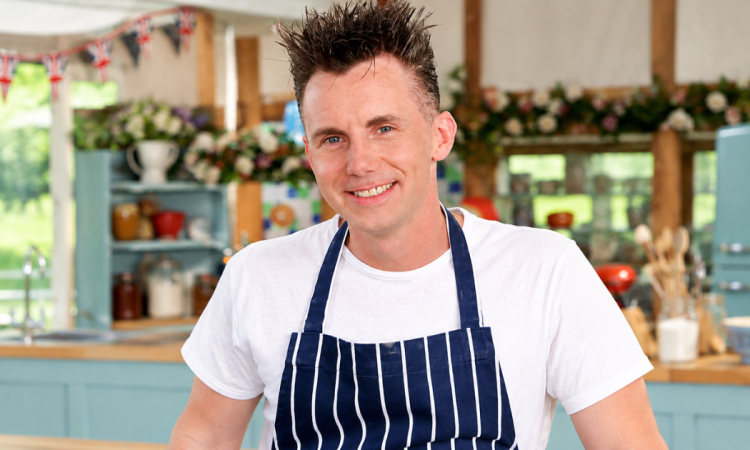

A 30 year old TV chef can seem to have the perfect job: cooking delicious food, travelling to interesting places and appearing on television while doing something they love. But behind the polished studio kitchen is usually years of hard work, failed recipes, long shifts and plenty of learning.
If you’re around 30 and thinking about becoming a TV chef, you’re certainly not too old. In fact, this can be a brilliant age to bring together cooking experience, confidence and a clear sense of your own style.
The important question is this: Do you need to be a famous chef before you can get on television? Not necessarily. Modern food television has changed considerably, with broadcasters and online platforms looking for personalities, useful ideas and distinctive stories as well as traditional culinary expertise.
Why Being a 30 Year Old TV Chef Can Be an Advantage
There’s a common idea that successful chefs have to start incredibly young. While starting early can help, being 30 has its own advantages.
By this point, you may have worked in professional kitchens, trained formally, run a small food business or simply spent years developing your cooking skills at home. More importantly, you’re likely to have a better idea of what sort of food you actually enjoy making.
That matters on television.
A good TV chef needs more than the ability to cook. You need to explain a recipe clearly, connect with viewers, stay calm when something goes wrong and make people want to try the dish themselves.
The UK’s television landscape is also changing. Ofcom’s 2026 Media Nations report says broadcaster content still accounts for the majority of video watched in UK homes, despite the continued growth of streaming and video-sharing platforms.
That means there are more ways to build an audience than simply waiting for a traditional television producer to discover you.
You could begin with short cooking videos, a food-focused social media account, a blog, demonstrations or guest appearances before pursuing a larger TV opportunity.
What Skills Does a TV Chef Actually Need?
Cooking ability comes first, but television requires a much wider skill set.
The UK’s National Careers Service highlights attention to detail, leadership, working under pressure, organisation and the ability to accept criticism among the skills useful to professional chefs.
Those skills become particularly useful when cameras are involved.
Imagine preparing a complicated dish while someone is asking you questions, a producer is counting down the remaining minutes and a camera is positioned inches from your chopping board. Suddenly, knowing a recipe isn’t enough.
You need to communicate naturally.
Here are five areas worth developing:
1. Cooking technique
Know your basics inside out. Knife skills, sauces, seasoning, cooking temperatures and food safety should feel second nature.
2. Communication
Practise explaining recipes as though you’re talking to a friend. Avoid unnecessary jargon.
3. Personality
Viewers remember people, not just recipes. Your humour, background, food preferences and opinions can help create a recognisable identity.
4. Adaptability
A TV chef needs to cope when ingredients are missing, equipment fails or timings change.
5. Camera confidence
You don’t need to behave like an actor. You simply need to become comfortable speaking while being filmed.
One expert tip worth taking seriously is to get proper food-safety training. The National Careers Service says chefs need a food safety certificate, with courses commonly taking one to two days.
How to Start Building Your TV Chef Profile
You don’t necessarily need a television contract to start behaving like a television chef.
This is where I’d suggest keeping things simple. Pick a clear food identity and create content around it.
Perhaps you’re brilliant at affordable family meals. Maybe you’re passionate about British baking, Indian-inspired home cooking, vegetarian food or restaurant-style dishes that ordinary people can make on a Tuesday evening.
The more specific your angle, the easier it is for people to remember you.
I particularly like the idea of starting with recipes you’d genuinely cook at home. There’s something much more convincing about someone showing you how to make a proper Sunday roast, quick curry or comforting pasta dish than someone constantly trying to create unnecessarily complicated recipes.
You can also record yourself cooking and watch the footage back.
Do you speak too quickly? Do you constantly look away from the camera? Are your instructions confusing? Is there too much background noise?
These are small problems, but they’re much easier to fix when you can actually see and hear yourself.
Over time, your videos can become a useful portfolio. A producer considering a new cooking show can see not only what you cook, but how you communicate.
Common Mistakes New TV Chefs Make
One of the biggest mistakes is believing that cooking brilliantly automatically makes someone good on television.
It doesn’t.
A restaurant kitchen and a television kitchen are completely different environments.
In a restaurant, the customer is primarily interested in the finished meal. On television, the journey matters too. Viewers want to understand what you’re doing and why you’re doing it.
Another mistake is copying an established celebrity chef.
It’s tempting to watch successful chefs and think, “That’s how I need to behave.” But copying someone else’s voice, humour or presentation style usually feels unnatural.
Instead, find your own rhythm.
You should also avoid trying to make every recipe impressive. Sometimes the most useful television cooking is incredibly simple.
A five-ingredient dinner that genuinely works on a busy Wednesday can be more valuable to viewers than a spectacular dish requiring three specialist shops.
Finally, don’t underestimate preparation.
Professional chefs understand mise en place for a reason. On television, preparation becomes even more important because the audience sees everything. Having ingredients measured, equipment ready and a clear sequence of steps can make filming considerably smoother.
What Does the Future Look Like for a 30 Year Old TV Chef?
Being a 30 year old TV chef today doesn’t necessarily mean following the traditional route of restaurant kitchen → celebrity chef → television programme.
There are now several possible paths.
You could build an audience through YouTube or social media, publish recipes, write a cookbook, work with food brands, appear on regional television or develop a specialist food business.
Streaming and online video have also changed how audiences discover personalities. Ofcom reported in 2026 that YouTube viewing on TV sets has doubled since 2022, while broadcaster-owned on-demand services such as BBC iPlayer and ITVX have continued to grow.
That’s encouraging for anyone building a modern food brand.
A useful statistic from Ofcom’s 2026 report is that 70% of people in the UK watched content from traditional broadcasters for at least 15 minutes in an average week during the previous year, including live TV, recorded playback and broadcaster on-demand services.
So while the way we watch television is changing, there is still a huge audience for food and entertainment.
The key is not to obsess over becoming famous overnight. Build something useful first.
If people enjoy your recipes, trust your advice and recognise your personality, you’ve already created the foundations of a television career.
FAQ About Becoming a 30 Year Old TV Chef
1. Is 30 too old to become a TV chef?
No. Thirty is not too old to start a television career. Cooking experience, communication skills and a distinctive personality can be more important than simply being young.
2. Do I need to work in a restaurant first?
Not necessarily, although professional kitchen experience can be extremely valuable. It teaches speed, organisation, teamwork, food safety and how to perform under pressure.
3. Can I become a TV chef without going to culinary school?
Yes. Formal culinary training can be useful, but it isn’t the only route. Practical experience, strong cooking skills, food-safety knowledge, communication and a compelling personal style can all contribute to a successful career.
Conclusion
Becoming a 30 year old TV chef isn’t about suddenly landing a prime-time programme. It’s about building skills, confidence and an audience one step at a time. Start with food you genuinely enjoy, learn to communicate clearly and get comfortable in front of a camera. Most importantly, develop your own identity rather than copying someone else’s. Whether your route begins in a restaurant, on Instagram, through YouTube or in your own kitchen, consistency can open doors. You don’t need to have everything figured out before you start.