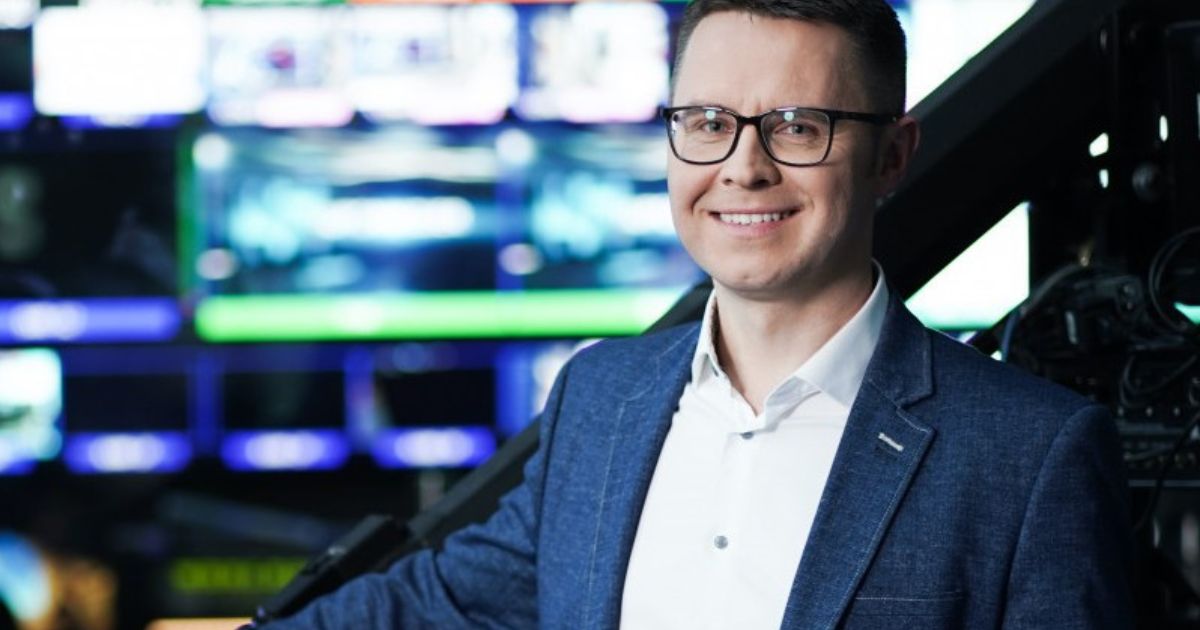

If you have searched for Robert Socha, you may have noticed that the name belongs to more than one person. In this article, I’m focusing on the Polish Robert Socha known for investigative journalism, legal expertise, open-source intelligence and media training.
What makes his career interesting is the unusual combination of law and journalism. He trained in law, passed the prosecutor’s examination, and later moved into investigative reporting. Today, his work includes due diligence, risk analysis, media communication and OSINT. His professional background also includes work with TVN’s Superwizjer and training journalists in verification and fact-checking.
Who Is Robert Socha?
Robert Socha is a Polish lawyer, former investigative journalist and consultant whose professional work sits at the intersection of journalism, investigations and risk analysis.
According to his professional biography, he completed legal training and passed a prosecutor’s examination. Rather than pursuing a conventional prosecutorial career, he moved towards investigative journalism, where he focused on people in positions of power, corruption and potential abuse.
That background helps explain why his work looks slightly different from that of a traditional journalist. Legal training can be particularly useful when an investigation involves complicated documents, corporate structures or questions about responsibility.
Socha has also worked as an investigative journalist for Superwizjer TVN. His experience later developed into consultancy and training, particularly around open-source intelligence, media communication and verification.
For me, that mix is probably the most interesting part of his career. Journalism and law both depend heavily on evidence, but they approach evidence from slightly different angles.
Robert Socha and Investigative Journalism
Investigative journalism is rarely as simple as finding one interesting document and writing a story. A serious investigation can involve checking public records, comparing statements, examining company structures and speaking to multiple sources.
This is where Robert Socha’s professional experience becomes relevant. His own biography says that he spent years investigating corruption and abuse while working in journalism. He also describes himself as an OSINT analyst, meaning he uses publicly available information as part of investigative research.
One notable part of his career was his work with Superwizjer TVN. The programme is known for investigative reporting, making this experience an important part of his professional profile.
Why Does Investigative Experience Matter?
Imagine you are researching a company that appears perfectly legitimate. Its website looks professional, the executives have impressive titles and the company has several international connections.
A quick Google search might tell you very little.
An investigator, however, may start looking at corporate records, ownership information, historical documents, sanctions databases and relationships between companies. One small detail can sometimes change the whole picture.
That is essentially the value of OSINT investigation: putting publicly available pieces together carefully rather than relying on a single source.
From Journalism to Due Diligence and OSINT
Today, Socha’s work extends beyond traditional reporting. His professional website says he specialises in investigative due diligence and helps clients examine contractors, ownership structures and business relationships.
Due diligence is especially important when businesses are deciding who they want to work with.
For example, a company might want to know:
- Who ultimately owns a business?
- Are there hidden connections between companies?
- Could a potential partner create reputational risk?
- Are sanctions or compliance issues involved?
- Do publicly available claims match the evidence?
These aren’t questions that can always be answered by reading a company’s homepage.
Socha says his work includes identifying ultimate beneficial owners, including those connected with offshore companies, and mapping less obvious business relationships.
Expert tip: When researching a person or organisation online, don’t stop at the first result. Compare independent sources and, whenever possible, go back to the original document or primary record.
That simple habit can prevent a surprising number of mistakes.
His Harvard Experience and Work With Journalists
Another notable part of Robert Socha’s career is his connection with Harvard.
His biography states that he received a year-long Nieman Fellowship at Harvard University. The fellowship is aimed at journalists from around the world and is designed to support professional and intellectual development in journalism. He also says he is a board member of the Harvard Club of Poland.
His experience did not stop with investigative reporting.
Socha has also worked as Google’s lead trainer for journalists in Central and Eastern Europe, where he taught techniques involving disinformation recognition, verification and fact-checking.
This part of his career feels particularly relevant today.
We live in a world where a photograph, social media post or apparently authoritative claim can spread within minutes. But speed doesn’t make information accurate.
So how do you know whether something online is genuine?
The answer is usually verification.
You check the source, compare independent reporting, examine dates and look for the original evidence. These are basic journalistic habits, but they’re useful for ordinary internet users too.
Books and Professional Work
Robert Socha has also written books connected with journalism and investigative work.
His professional biography lists two books. One deals with the background of the Krzysztof Olewnik kidnapping case, while the other focuses on practical journalism and writing.
His work today also includes media and crisis communication.
According to his website, he provides training for public and media appearances, prepares people for important interviews and presentations, and advises on crisis communication.
This is an interesting progression.
Someone who once investigated people and organisations for television now also helps clients understand how to communicate under pressure. Both areas require preparation, attention to detail and an understanding of how information is interpreted.
His current professional work also includes Open Intelligence Group, where he is described as CEO and co-founder. The company focuses on areas including compliance automation and sanctions screening.
What Makes Robert Socha’s Career Interesting?
For me, the biggest lesson from Robert Socha’s career is how transferable skills can be.
He began with legal education. He then moved into journalism, developed expertise in investigations and OSINT, gained international experience through Harvard, trained journalists and later moved into consulting and business.
The numbers also show that the name itself is not enough when researching him. LinkedIn currently lists more than 50 profiles under the name Robert Socha, demonstrating why context is essential when searching online.
This is an easy mistake to make. You find a profile with the right name and assume you’ve found the right person.
But names aren’t identities.
Location, profession, education, employer and other reliable details should all match before you draw a conclusion.
A Personal Take
When I research people online, I usually start with the obvious search results and then slow down. If several people have the same name, I compare their careers before using any information.
That approach is particularly useful with a name like Robert Socha.
Rather than simply collecting facts, we should ask whether each fact actually belongs to the person we’re researching. It takes a little longer, but the result is far more reliable.
Frequently Asked Questions
Who is Robert Socha?
Robert Socha is a Polish lawyer, former investigative journalist, OSINT specialist and consultant. His career has included investigative journalism, media training, due diligence and risk advisory work.
Did Robert Socha work as a journalist?
Yes. His professional biography describes him as a former investigative journalist with Superwizjer TVN. He later worked in journalism training, including verification and fact-checking.
What is Robert Socha known for?
He is particularly associated with investigative journalism, OSINT, due diligence, media communication and fact-checking. His career also includes a year-long Nieman Fellowship at Harvard.
Conclusion
Robert Socha has built an unusual career combining law, investigative journalism, OSINT and business consulting. His experience shows how skills such as research, verification and evidence gathering can move from one profession into another.
If you’re researching Robert Socha online, remember that several people share the same name. Check the person’s profession and background before accepting information as fact. In an age of fast-moving online information, careful verification is more valuable than ever.