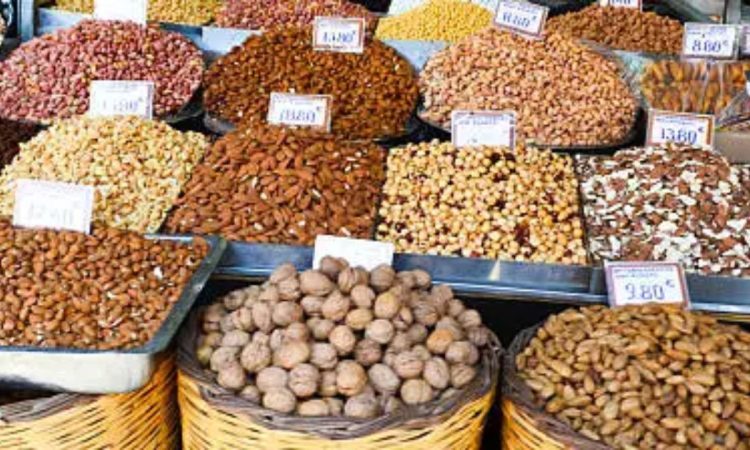

If you eat nuts regularly, you have probably noticed that the price can vary wildly from one shop to another. So, what is the cheapest place to buy nuts UK shoppers can rely on? The answer is not always as simple as choosing the supermarket with the cheapest-looking packet.
I have found that the real trick is comparing the price per kilogram, checking own-brand ranges and buying larger packs when you know you will use them. Aldi, Lidl, Asda and supermarket promotions can all be worth checking, while specialist online suppliers can make sense for bulk purchases.
Here is how I would shop for affordable nuts in the UK without sacrificing too much on quality.
What Is the Cheapest Place to Buy Nuts UK Shoppers Should Check?
If your main aim is to spend as little as possible, discount supermarkets are an obvious starting point.
At the time of writing, Aldi lists 200g of whole almonds at £1.69, which works out at £8.45 per kilogram. Its 200g walnut halves are £1.65 (£8.25/kg), while cashews are £1.69 (£8.45/kg). Its mixed nuts are £1.75 for 200g, or £8.75/kg.
That does not mean Aldi will always be the cheapest for every type of nut. Prices, offers and pack sizes change. For example, a current supermarket comparison shows ASDA whole almonds at £8/kg, slightly below Aldi’s £8.45/kg.
This is why I would not simply ask, “Which supermarket is cheapest?” Instead, ask: Which shop has the lowest price per kilogram for the exact nut I want today?
That small change can save you more than you might expect.
Compare Price Per Kilo, Not Just the Packet Price
This is probably the most useful tip in the whole article.
Imagine you see one packet of almonds for £2 and another for £2.50. It is tempting to grab the £2 packet immediately. But what if the first contains 150g and the second contains 250g?
The £2 packet costs £13.33 per kilogram.
The £2.50 packet costs £10 per kilogram.
Suddenly, the more expensive packet is actually the better deal.
I made this mistake myself when buying nuts for baking. I used to look at the large number on the price tag rather than checking the weight underneath. Once I started comparing the unit price, it became much easier to spot genuine bargains.
A current comparison of almonds illustrates the point nicely: ASDA has a 250g pack at £2 (£8/kg), while Aldi’s 200g pack is £1.69 (£8.45/kg). Both look cheap, but the per-kilo figure shows the difference.
Expert tip: Always compare products using the £/kg figure, particularly when supermarkets offer different pack sizes. It is the quickest way to compare like with like.
Buy the Right Type of Nuts for Your Budget
Not all nuts cost the same, so your choice can make a surprisingly big difference to your weekly food bill.
Peanuts are generally one of the cheapest options. Aldi currently lists 200g of roasted salted peanuts at just £0.59, equivalent to £2.95/kg.
Almonds, walnuts and cashews usually cost more, although supermarket own-brand versions can still be reasonably priced.
Pine nuts, on the other hand, can be considerably more expensive. Aldi currently lists 60g of pine nuts at £1.69, which is £28.17/kg.
So, if you are trying to keep your grocery bill under control, consider using expensive nuts as an ingredient rather than the main snack.
For example, I might sprinkle a small amount of pine nuts over pasta or salad rather than eating them by the handful. You still get the flavour without getting through an expensive packet in a couple of days.
Other related searches worth considering when shopping include cheap almonds UK, bulk nuts UK, cheap cashews UK, best value nuts UK and wholesale nuts UK.
Are Supermarkets or Bulk Online Shops Cheaper?
This is where things get interesting.
Buying nuts in bulk can sometimes reduce the price per kilogram, particularly if you regularly eat almonds, cashews, walnuts or peanuts. Online specialist shops may sell 1kg, 2kg or even larger bags, which can work out better than repeatedly buying small supermarket packets.
But there is an important catch: delivery charges.
A 1kg bag that looks wonderfully cheap online may not be cheaper once you add £4 or £5 postage. If you only need one bag, your local supermarket could still win.
Bulk buying makes more sense when you:
- Eat nuts regularly
- Have enough storage space
- Can buy several items together
- Avoid unnecessary delivery fees
- Know you will use the nuts before they go stale
You also need to consider freshness. Nuts contain natural oils and can eventually develop a stale or rancid taste. Buying five kilograms because the price looks fantastic is not a saving if half ends up in the bin.
For occasional buyers, supermarket own-brand packs are often the simpler choice.
Don’t Ignore Supermarket Loyalty Offers
There is another place where you can find bargains: loyalty-card pricing.
Tesco, for example, currently lists its 200g almonds at £2.25 normally but £1.90 with Clubcard, equivalent to £9.50/kg. The offer is listed as running from 15 September to 5 October 2026.
That is a useful reminder that the cheapest option can change from week to week.
If you already shop at Tesco, Sainsbury’s, Morrisons or another supermarket, check its app before making a special trip elsewhere. You may already have access to a promotional price.
However, don’t let a loyalty offer encourage you to buy something you don’t need.
Saving 50p on a packet that sits unopened in the cupboard is not really saving money.
Common Mistakes People Make When Buying Nuts
The first mistake is choosing branded nuts automatically.
A well-known brand might look more appealing, but supermarket own-brand nuts can be much cheaper. If the ingredients and type of nut are what you want, compare the products rather than assuming the brand is better.
The second mistake is buying tiny snack packs.
Individual 25g or 30g portions can be convenient for work or travel, but you often pay considerably more per kilogram. Tesco’s current almond listings, for instance, show a 25g pack at a much higher unit price than its larger packs.
The third mistake is ignoring what you actually need.
Do you really need roasted, salted and flavoured cashews when plain cashews are available for less? If you’re adding nuts to porridge, baking or cooking, plain varieties are often more versatile.
Finally, don’t forget portion size. The British Nutrition Foundation recommends checking portions as part of maintaining a balanced diet and notes that individual requirements vary.
FAQ: Buying Cheap Nuts in the UK
1. Which supermarket has the cheapest nuts in the UK?
There is no single supermarket that is cheapest for every nut all the time. Current comparisons show that prices vary by product and pack size. Aldi currently has competitively priced almonds, walnuts, cashews and peanuts, while ASDA is currently cheaper for some almond products.
2. Is buying nuts in bulk cheaper?
It can be, particularly for nuts you eat frequently. However, ca
lculate the final price including delivery and make sure you will use the nuts before they lose freshness.
3. Are supermarket own brand nuts good value?
Often, yes. Own-brand nuts can provide a lower cost per kilogram than branded alternatives. The important thing is to compare weight, ingredients and unit price rather than judging a product by the brand name alone.
Conclusion
Finding the cheapest place to buy nuts UK shoppers can use is really about shopping smarter rather than sticking to one particular shop. Check Aldi and Lidl, compare ASDA and the major supermarkets, watch loyalty-card offers and consider bulk buying when it genuinely works out cheaper.
Most importantly, look at the price per kilogram. That one habit makes comparing different packet sizes much easier. Personally, it is the method I now use whenever I buy almonds, cashews or walnuts. A few seconds of checking can make a noticeable difference to your grocery budget over the year.