

Introduction
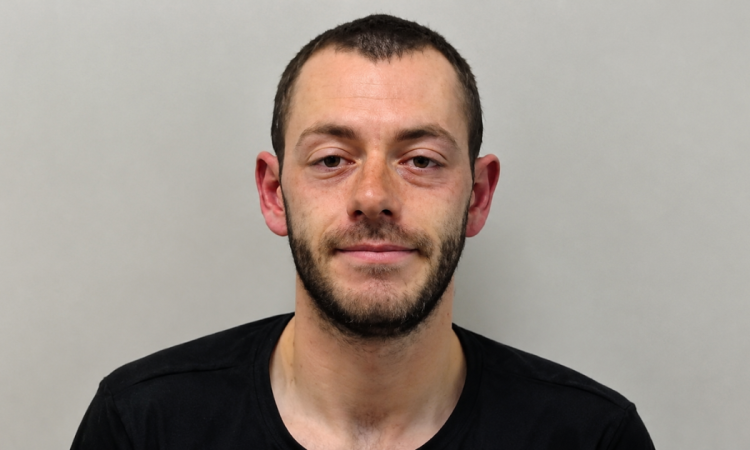
Dillon Cree has been traced after going missing in Kilmarnock, bringing an important update to a case that prompted an appeal from Police Scotland. The 16-year-old was reported missing after he was last seen in the Baird Place area of Kilmarnock at around 11am on Friday, 22 May 2026. Police asked members of the public to provide information that could help establish where he was and make sure he was safe.
For anyone following missing-person cases in Scotland, the most important point in this update is simple: Dillon has now been traced. The original appeal described him as around 5ft 4ins, of thin build, with curly brown hair, and said he was wearing a black hoodie when last seen.
Here is what we know, what the police appeal said, and why responsible reporting matters when a young person is reported missing.
What happened to Dillon Cree in Kilmarnock?
According to the police appeal reported by The National, Dillon Cree was a 16-year-old from East Ayrshire who was reported missing in Kilmarnock.
He was last seen at approximately 11am in the Baird Place area of Kilmarnock on Friday, 22 May 2026. Police Scotland issued an appeal because there were concerns for his welfare and officers wanted to establish that he was safe.
The appeal gave a physical description to help members of the public identify him. Dillon was described as approximately 5ft 4ins tall and of thin build, with curly brown hair. At the time he was last seen, he was reportedly wearing a black hoodie.
Police also provided a reference number for anyone with useful information.
It is worth remembering that a missing-person appeal does not automatically mean that a crime has taken place. People can go missing for many different reasons, and police assessments depend on the individual circumstances.
So, what happened after the public appeal?
The later update confirmed that Dillon Cree had been traced by police.
Dillon Cree has been traced after going missing in Kilmarnock
The key update is that Dillon Cree has been traced after going missing in Kilmarnock.
This means the situation moved on from the original public search appeal. However, the available report does not provide detailed information about exactly where Dillon was found, why he had gone missing, or what happened during the period he could not be located.
That distinction is important.
When a young person is reported missing, people naturally want answers. Social media can make it very easy for rumours and guesses to spread, particularly when people are worried and trying to help.
I have seen how quickly online discussions around missing-person stories can move from useful information to speculation. For a family, that can make an already stressful situation even harder.
The safest approach is to stick to confirmed information from Police Scotland or reputable news reporting.
In Dillon’s case, the confirmed update is that he was traced. There is no need to fill the gaps with assumptions about what happened.
Why missing-person appeals matter in Scotland
Dillon’s case also sits within a much wider issue involving missing people across Scotland.
Police Scotland reported in December 2025 that the number of missing-person investigations had fallen from around 23,000 in 2017–18 to around 15,000 in 2024–25. The same update said that more than 60% of missing-person cases involved people under the age of 18.
That statistic puts individual cases into perspective.
A missing-person report can involve a child, teenager or adult, and every case has its own circumstances. Police and partner organisations therefore have to assess information carefully rather than assuming that every disappearance follows the same pattern.
Missing People, an organisation working with missing people and their families, has also highlighted the scale of the issue in Scotland. Its information states that Police Scotland received 17,856 missing-person reports in 2022–23, equivalent to about 49 reports each day. Six in ten missing incidents involved children.
These figures explain why police appeals can become an important part of the public’s role.
A photograph or description shared by the public can sometimes help officers establish where someone may have been seen. But information needs to be passed to the appropriate authorities rather than turned into online speculation.
What should you do if someone goes missing?
If someone you know goes missing, contacting the police is one of the most important steps.
You do not need to wait for a specific amount of time before reporting someone missing. If you are concerned about their whereabouts or believe they could be at risk, contact the police and provide the information you have.
Useful information can include:
- The person’s full name and age
- A recent photograph
- What they were wearing
- Where they were last seen
- Their usual locations
- Any relevant phone or travel information
- Details of places they may visit
- Information about anything that could indicate immediate risk
An expert tip is to keep information factual and organised. If you receive a possible sighting, note the time, location and details rather than relying on memory later.
For urgent emergencies, use 999. For situations that are not emergencies, Police Scotland provides 101 for non-emergency contact.
And what about social media?
Social media can help spread an official appeal quickly, but users should avoid changing the wording or adding unverified claims. Sharing the original police appeal is generally safer than creating a new version containing guesses.
Avoiding misinformation in missing-person stories
One of the biggest mistakes when reporting a missing-person case is presenting speculation as fact.
For example, if police have not said why someone disappeared, a website should not invent a reason. Similarly, if police have confirmed that someone has been traced but have not provided details about their condition, publishers should not claim information that has not been confirmed.
This is especially important when the missing person is a child or teenager.
There is also a difference between saying someone has been “traced” and publishing detailed information about their private circumstances. Being traced simply confirms that police have located the person; it does not automatically provide permission to publish personal details.
For readers, a good rule is simple: check who originally reported the information.
Police Scotland, official police appeals and established news organisations are generally more useful sources than anonymous social-media posts.
In Dillon Cree’s case, the reported update confirms that he was traced. Beyond that, readers should be cautious about claims that cannot be linked to a reliable source.
Frequently Asked Questions
1. Has Dillon Cree been found?
Yes. The reported update states that Police Scotland traced Dillon Cree after he had been reported missing in Kilmarnock.
2. Where was Dillon Cree last seen?
Dillon was last seen at around 11am on Friday, 22 May 2026, in the Baird Place area of Kilmarnock.
3. Why was Dillon Cree reported missing?
Police Scotland issued an appeal because there were concerns for Dillon’s welfare and officers wanted information that could help locate him and make sure he was safe. The available report does not provide a confirmed explanation for why he went missing.
Conclusion
The main update is clear: Dillon Cree has been traced after going missing in Kilmarnock. Police Scotland had appealed for information after the 16-year-old was last seen in the Baird Place area, and the subsequent update confirmed that he had been traced.
For readers, the case is also a reminder to treat missing-person stories responsibly. Share confirmed appeals, avoid speculation and rely on official information where possible. When a young person is involved, protecting their privacy should remain just as important as reporting the basic facts.