
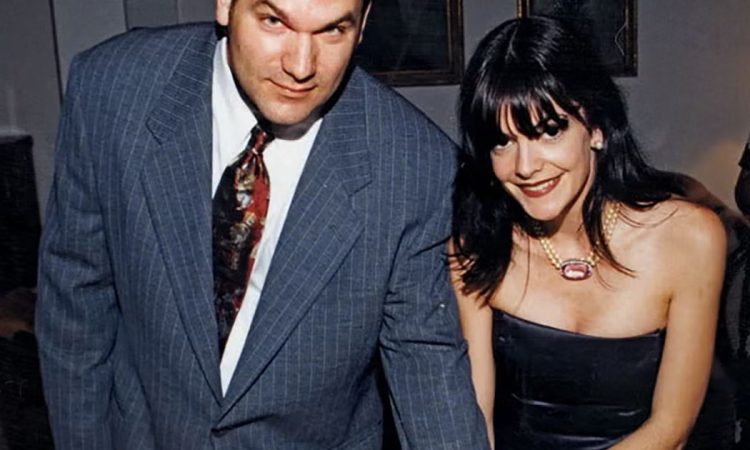

A wealthy American couple moved to a remote Costa Rican rainforest, hoping to build a peaceful life surrounded by nature. Their dream ended in tragedy when John Bender died in January 2010, leaving his wife facing years of legal uncertainty.
The ann john bender story became an international talking point because of its unusual setting, disputed forensic evidence and repeated criminal trials.
Ann Bender, also known as Ann Maxine Patton, maintained that she had not killed her husband. Prosecutors challenged her account, leading to a long legal battle.
So, who was Ann Bender, what happened to John, and how did the case finally end? Here is the story based on court reporting and documented investigations.
Who Is Ann John Bender?

Her name also appears in news reports as Ann Patton, Ann Maxine Patton and Ann Patton Bender. These names refer to the same person.
Before the criminal investigation, she and her husband lived a largely private life. They had moved from the United States to Central America after John achieved financial success.
Ann became involved in the couple’s ambitious wildlife conservation project. Their plans centred on protecting rainforest habitats and creating a home away from busy urban life.
However, her husband’s death changed everything. Instead of being recognised mainly for her conservation interests, Ann became associated with a case that attracted international media attention.
Ann Bender’s Early Life and Personal Background
Relatively little verified information is publicly available about Ann Bender’s childhood, education or early career.
Most published accounts focus on her marriage, life in Costa Rica and the legal proceedings that followed.
She was originally from the United States and belonged to a family that later supported her through the investigation.
Ann’s relationship with John brought significant changes to her life. His financial success allowed the couple to pursue an unusually ambitious conservation project.
They chose Costa Rica for its remarkable natural environment and established a home far from major cities.
Although their lifestyle appeared comfortable, reports later described personal and emotional difficulties behind the impressive surroundings.
Understanding these circumstances helps explain the background of the case without assuming that private struggles determined what happened.
Who Was John Felix Bender?
John Felix Bender was an American investor and former Wall Street trader who built substantial wealth through financial markets.
He worked in options trading and hedge funds before leaving his career in finance.
Rather than continuing to pursue investment opportunities, John redirected much of his attention towards wildlife conservation.
He and Ann purchased approximately 5,000 acres of rainforest in Costa Rica, intending to protect local biodiversity.
The project reflected their shared interest in animals, plants and the natural world.
John’s professional success made this ambitious undertaking possible. However, building and maintaining such a large private reserve also brought practical challenges.
Following his death, his former career and extraordinary property became central features of international reporting.
Inside Ann and John Bender’s Costa Rica Estate

The couple’s rainforest property was called Boracayan.
Located in the mountainous Pérez Zeledón region of Costa Rica, the estate combined protected land with a remarkable private residence.
Their house covered approximately 50,000 square feet and featured an unusual open-sided design.
Instead of conventional walls and windows, the building offered extensive views of the surrounding forest.
The estate also contained decorative artwork, stained-glass lamps and space for wildlife-related activities.
Why Did the Couple Choose Costa Rica?
Costa Rica is well known for its tropical forests and rich biodiversity.
For John and Ann, the country offered an opportunity to combine environmental protection with a quieter lifestyle.
Their reserve provided a setting where they could observe wildlife and support habitat conservation.
Yet the remote location created difficulties. Travelling, managing employees and accessing services required careful planning.
The couple’s relative isolation also became an important part of later reporting about their lives.
What Happened to John Bender in January 2010?
On 8 January 2010, John Bender died from a gunshot wound at the couple’s rainforest home.
Ann was present when the incident occurred.
She told investigators that her husband had been holding a firearm and that she had tried to stop him from taking his own life.
According to her account, the weapon discharged during the incident.
Costa Rican authorities investigated the circumstances and questioned whether the physical evidence supported her explanation.
The position of John’s body, the firearm and the forensic findings became important parts of the investigation.
Ann consistently denied intentionally shooting her husband.
The case raised a difficult question: could the available evidence establish precisely what happened inside the bedroom?
Investigators and defence experts would spend years disagreeing about the answer.
Why Was Ann Bender Accused of Murder?
Prosecutors believed that aspects of the physical evidence were inconsistent with Ann’s account.
They questioned the shooting circumstances and relied on forensic interpretations to support their case.
Ann’s defence challenged these conclusions, arguing that the investigation contained serious weaknesses.
The dispute concerned several issues:
-
The interpretation of bloodstain evidence.
-
The position of the firearm and cartridge casing.
-
The shooting’s possible sequence of events.
-
Whether investigators had properly examined alternative explanations.
CBS News later commissioned independent forensic specialists Richard and Selma Eikelenboom to assess the evidence.
Their examination identified significant concerns about the original investigation.
These disagreements mattered because forensic evidence must be interpreted carefully. A physical finding does not always establish one explanation beyond reasonable doubt.
The prosecution maintained its case, while Ann continued to deny the accusation.
Ann John Bender Murder Trial: The Legal Timeline
Ann Bender’s legal battle lasted far longer than many readers might expect.
She faced three criminal trials, with prosecutors later seeking another hearing.
First Trial: 2013
Ann’s first murder trial began in January 2013.
A Costa Rican court acquitted her after finding that the evidence did not establish criminal responsibility beyond reasonable doubt.
However, prosecutors challenged that decision.
Second Trial: 2014
Following an appeal, the authorities brought the case before another court.
In May 2014, Ann was convicted and received a 22-year prison sentence.
She challenged the conviction, and the judgment was later overturned.
Third Trial: 2015
Ann faced a third trial in August 2015.
The court again acquitted her, but further legal challenges followed.
Final Legal Decision: 2023
In 2023, Costa Rica’s Constitutional Chamber ordered the criminal proceedings to end.
The Pérez Zeledón court subsequently terminated the prosecution and issued a definitive dismissal.
This decision brought the long-running criminal case to a close.
Why Did the Case Involve Multiple Trials?
One unusual feature of the proceedings was Costa Rica’s legal framework.
Unlike the familiar protection against double jeopardy in many legal systems, Costa Rican criminal procedure permitted certain acquittals to be challenged and new trials ordered.
As a result, Ann’s initial acquittal did not immediately end the prosecution.
Appeal courts reviewed decisions, and legal arguments concerning evidence continued for years.
The repeated proceedings placed considerable pressure on everyone involved.
They also raised questions about how courts should balance the rights of defendants with the need to examine serious criminal allegations.
For British readers, the case demonstrates why criminal justice rules can differ significantly between countries.
An acquittal, appeal or retrial may have different legal consequences depending on the jurisdiction.
What Happened to Ann Bender After the Trials?
Ann’s life changed dramatically following her husband’s death.
The investigation and court proceedings affected her finances, freedom of movement and personal circumstances.
She spent time in prison following the overturned conviction and faced continuing uncertainty during subsequent proceedings.
Reports also described disputes concerning property, valuable possessions and the management of the couple’s assets.
The legal battle became closely connected with the future of the rainforest estate they had created.
By July 2023, the criminal proceedings had formally ended.
However, reliable public information about Ann’s present-day residence, occupation and private activities remains limited.
It would therefore be misleading to make confident claims about her current lifestyle without verified evidence.
Media Coverage and the Continuing Interest in the Case
The Bender case attracted attention well beyond Costa Rica.
CBS’s 48 Hours examined John’s death in its investigation Paradise Lost, featuring interviews, court developments and forensic analysis.
The documentary introduced international audiences to the couple’s unusual home and the competing accounts of the incident.
The story continued to attract interest years later.
In 2025, the investigative podcast Hell in Heaven revisited the couple’s life and the circumstances surrounding John’s death.
Its renewed coverage showed how unresolved factual questions can remain subjects of public interest even after criminal proceedings end.
The case also highlights the importance of separating established facts from allegations.
A past conviction that has been overturned should never be presented as a current finding of guilt.
Frequently Asked Questions
Who is Ann John Bender?
Ann Bender, also known as Ann Maxine Patton, is an American woman recognised for her involvement in a lengthy Costa Rican criminal case following her husband John’s death.
What happened to John Bender in Costa Rica?
John Felix Bender died from a gunshot wound at his Costa Rican rainforest home on 8 January 2010. The circumstances became the subject of disputed forensic evidence and repeated trials.
Was Ann Bender convicted of murder?
Ann was convicted in 2014 and sentenced to 22 years, but the conviction was overturned. She was subsequently acquitted, and the criminal case was definitively closed in 2023.
Where is Ann Bender now?
Her exact current location and activities are not reliably established in recent public reporting. The confirmed development is that Costa Rican authorities formally ended the prosecution in 2023.
Why is the Ann Bender case famous?
The case drew international attention because of the couple’s rainforest estate, disputed forensic findings, three criminal trials and prolonged legal proceedings.
Conclusion
The ann john bender story brings together personal tragedy, an extraordinary conservation project and a prolonged dispute over forensic evidence.
Ann and John Bender moved to Costa Rica hoping to create a peaceful life surrounded by wildlife. John’s death in 2010 instead led to years of investigations, courtroom hearings and public scrutiny.
Although Ann faced a conviction during the proceedings, that judgment was overturned, and the case was formally closed in 2023.
The lasting lesson is the need to distinguish allegations from proven facts and to understand how reliable evidence and fair legal procedures shape the pursuit of justice.
for more information click here