
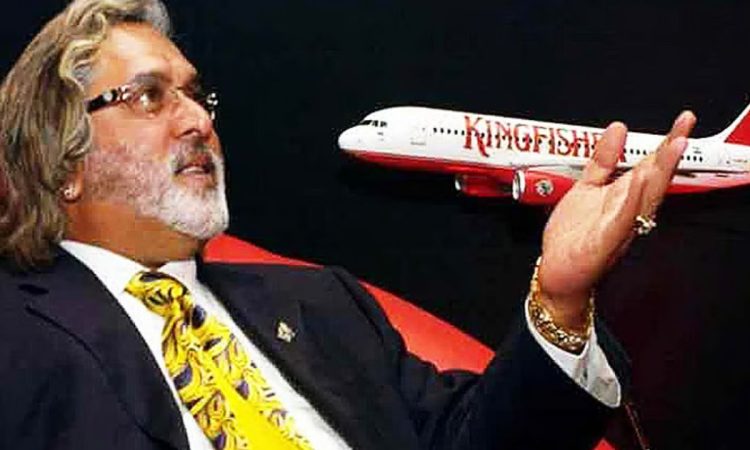

The vijay mallya uk travel ban became a major talking point after his statements to the Bombay High Court in February 2026. He repeated his position publicly in September, arguing that his continued stay in Britain was not simply a personal choice.
But what do the restrictions mean? Why has his extradition taken so long? And could he return to India soon? Here is what the court proceedings and recent developments reveal.
What Is the Vijay Mallya UK Travel Ban?
The Vijay Mallya UK travel ban refers to legal restrictions that, according to his submissions before the Bombay High Court, prevent him from leaving England and Wales.
In February 2026, his legal representatives explained that orders made by English courts prohibited him from leaving or attempting to leave those jurisdictions. They also said he could not apply for or possess international travel documents.
These restrictions matter because India wants Mallya to return and face proceedings linked to alleged financial misconduct and unpaid bank loans.
However, the travel restrictions and extradition process are not identical. One concerns his ability to travel independently. The other involves the legal process through which Britain may surrender him to Indian authorities.
The full terms of the relevant English travel orders were not established in the publicly reviewed reporting.
Why Is Vijay Mallya Unable to Return to India?
Mallya maintains that he cannot promise a return date while British legal restrictions remain in force.
During proceedings on 18 February 2026, his lawyers told the Bombay High Court that he could not provide a precise date for travelling to India.
His legal team also referred to the revocation of his Indian passport. Without permission to travel or valid international travel documents, an independent journey becomes legally complicated.
The Bombay High Court had previously asked him to clarify whether he intended to return. Judges wanted a clear response before considering his challenges to Indian legislation.
This creates a difficult situation. Indian courts expect him to submit to their jurisdiction, while his lawyers argue that existing restrictions limit his ability to do so.
Whether those restrictions can change depends on the relevant legal proceedings and decisions by the responsible authorities.
Latest Vijay Mallya UK Travel Ban Updates in 2026
Several developments during 2026 have brought renewed attention to Mallya’s legal position.
February 2026: Bombay High Court Hearing
On 18 February, Mallya informed the Bombay High Court that English court orders prevented him from travelling outside England and Wales.
His lawyers argued that he could not give a definite date for returning to India.
The court was considering proceedings concerning India’s Fugitive Economic Offenders Act and his legal challenge to the declaration made against him.
Judges also examined whether his explanation met their earlier request for a formal statement about returning.
The hearing highlighted the tension between the ongoing British legal process and his attempts to pursue legal remedies in India.
September 2026: Mallya Repeats His Position
On 8 September 2026, Mallya publicly defended his continued presence in Britain through posts on X.
He said he had been a permanent UK resident since 1992 and maintained that he was legally prohibited from leaving the country.
He also rejected descriptions suggesting that he was simply refusing to return to India.
His comments drew fresh attention to the travel restrictions, although they did not establish any change to his extradition status.
As of October 2026, the reviewed sources do not confirm a new date for his return.
Why Does India Want Vijay Mallya Extradited?
India has pursued Mallya over allegations connected to the collapse of Kingfisher Airlines and substantial unpaid loans.
The airline faced serious financial difficulties before ceasing operations in 2012. Its failure left lenders seeking to recover money owed by the business.
Indian authorities have pursued allegations involving financial fraud and money laundering. Mallya has disputed wrongdoing and challenged several aspects of the legal proceedings.
Reports commonly refer to approximately ₹9,000 crore in outstanding loans linked to the case. However, reported recovery amounts and outstanding liabilities should not be treated as interchangeable figures.
In January 2019, an Indian special court declared Mallya a fugitive economic offender.
That designation forms part of India’s legal efforts to address certain financial offences involving people who remain outside the country.
The allegations, recovery proceedings and extradition application involve different legal questions. A court ruling concerning one issue does not automatically resolve the others.
What Have British Courts Decided About Extradition?
Mallya’s extradition case has already passed through significant stages of the British judicial system.
In April 2020, the High Court of England and Wales dismissed his appeal against extradition.
The published judgment, Vijay Mallya v Government of India, examined objections raised against the extradition decision.
That ruling represented a major legal development in India’s attempt to secure his return.
However, an unsuccessful extradition appeal does not necessarily mean a person must leave immediately. Other legal barriers or proceedings may still need resolution.
The distinction is especially relevant here because Mallya remains in Britain despite the earlier court decision.
Readers can examine the published UK High Court judgment to understand the legal reasoning behind the 2020 decision.
How Does the UK India Extradition Process Work?
Extradition is the formal legal process through which one country requests the surrender of a person from another country.
Britain and India have a bilateral extradition treaty. Requests must also comply with the applicable provisions of UK law.
A typical extradition case involves several stages:
-
The requesting country submits a formal extradition request.
-
British authorities examine the request under the relevant legal framework.
-
Courts consider whether the statutory conditions for extradition are satisfied.
-
The individual may challenge the decision through available legal procedures.
-
The responsible authorities address any remaining requirements before surrender takes place.
These steps are subject to legal safeguards, including protections relating to human rights.
For more detail, the UK Home Office extradition guidance explains how requests from countries such as India are handled.
Could Vijay Mallya Return to India in 2026?
A return remains legally possible, but no verified date has been announced in the sources reviewed.
Any development would depend on resolving the relevant legal barriers and completing the necessary procedures.
Three points remain particularly significant:
-
Whether the restrictions imposed by English courts continue or change.
-
Whether outstanding extradition-related legal matters are resolved.
-
Whether the authorities can complete the arrangements required for a lawful return.
These factors also explain why predictions about an immediate return need caution.
The UK travel restriction does not itself cancel India’s extradition request. Equally, earlier extradition rulings do not prove that all outstanding legal obstacles have disappeared.
Until official developments establish otherwise, his return date remains uncertain.
Why Does This Case Matter for the UK and India?
Mallya’s case shows how international legal disputes can become lengthy, even when two countries maintain an extradition agreement.
For Britain, the case highlights the need to apply domestic law and judicial safeguards when considering requests from overseas governments.
For India, it reflects the challenges of pursuing individuals accused of financial offences who live abroad.
It also raises an important public question: how can authorities recover money and pursue legal accountability while respecting the rights of those involved?
The answer depends on courts examining evidence, following established procedures and keeping separate legal disputes distinct.
Beyond the headlines, the case illustrates why extradition is rarely as simple as arranging a flight home.
Frequently Asked Questions
Is Vijay Mallya banned from leaving the UK?
According to his February 2026 court submissions, English court orders prevent him from leaving England and Wales or possessing international travel documents. He reiterated these restrictions publicly in September.
Why is Vijay Mallya still in Britain?
Mallya remains in Britain amid continuing legal proceedings. He maintains that court-imposed travel restrictions prevent him from leaving, while India’s efforts to secure his extradition remain unresolved.
Has the UK approved Vijay Mallya’s extradition?
British courts have issued decisions supporting extradition, including the dismissal of his appeal in April 2020. However, his physical surrender to Indian authorities has not been confirmed.
Can Vijay Mallya travel to another country?
His reported restrictions prevent him from leaving England and Wales. Any international journey would require compliance with the applicable court orders and travel document requirements.
When will Vijay Mallya return to India?
No confirmed return date was available as of October 2026. His return depends on the outstanding legal issues and any relevant decisions by British authorities.
Conclusion
The vijay mallya uk travel ban remains central to questions surrounding his possible return to India. Despite earlier British extradition rulings, Mallya says court restrictions prevent him from leaving England and Wales.
His February court submissions and September 2026 statements highlight how complicated the situation remains. Indian authorities continue seeking his return, while separate legal proceedings and travel restrictions must be addressed.
For now, there is no verified timetable for his departure from Britain. The next meaningful development will depend on formal legal decisions rather than speculation about when he might travel.
for more information click here