
The Larry Silverstein 9/11 story continues to attract attention because of the timing of that agreement, subsequent insurance disputes and the reconstruction of Lower Manhattan. Understanding his involvement requires separating documented business decisions from speculation. This article examines the lease agreement, Silverstein’s responsibilities, the collapse of Building 7 and his contribution to rebuilding the World Trade Center.
Who Is Larry Silverstein?
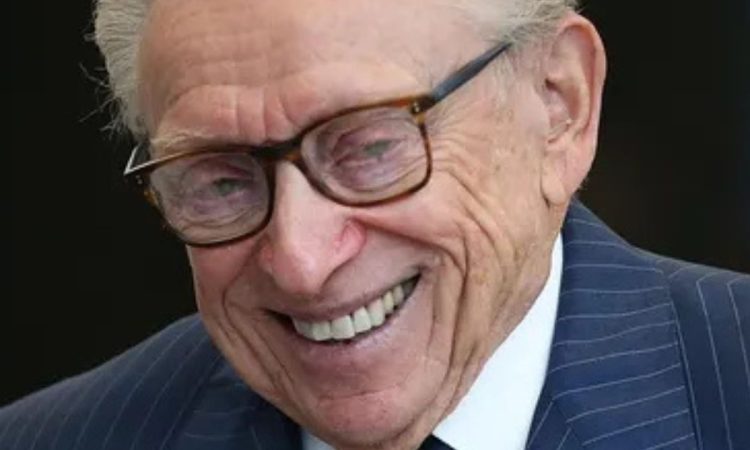
Larry Silverstein is an American property developer best known for his involvement in commercial real estate in New York City. Born in 1931, he developed a career managing and investing in office buildings, eventually becoming one of Manhattan’s recognised real estate figures.
He established Silverstein Properties, a company involved in property development, leasing and management. Over several decades, the business expanded its commercial property portfolio and developed relationships with investors, tenants and public authorities.
Although Silverstein was already established in the property industry, his association with the World Trade Center brought him international recognition.
His involvement became particularly significant because his company assumed responsibility for major parts of the complex shortly before September 11, 2001.
Larry Silverstein and the World Trade Center Lease
The Historic Agreement in 2001
In April 2001, the Port Authority of New York and New Jersey announced an agreement involving Silverstein Properties and Westfield America.
The arrangement was a 99-year lease valued at approximately $3.2 billion. It included the Twin Towers and other parts of the World Trade Center complex.
The agreement was finalised in July 2001, approximately seven weeks before the September attacks.
This timing frequently appears in online discussions about the property transaction. However, a lease agreement is not equivalent to purchasing ownership of the underlying land.
The Port Authority retained ownership, while the leaseholders received defined rights and responsibilities under their contracts.
Why Did Silverstein Want the Property?
The World Trade Center offered substantial commercial opportunities. Its location in Lower Manhattan, extensive office accommodation and international reputation made it an attractive investment.
Silverstein saw potential in managing the complex and improving its commercial performance.
The arrangement also carried considerable obligations, including rental payments, maintenance responsibilities and commitments connected with the property’s operation.
According to PBS FRONTLINE, Silverstein continued facing substantial lease obligations after the attacks, making reconstruction an important financial and contractual issue.
What Happened to Silverstein on September 11?
On September 11, 2001, the World Trade Center became the centre of an unprecedented national tragedy.
The Twin Towers collapsed following the terrorist attacks, destroying offices, disrupting businesses and permanently changing Lower Manhattan.
Silverstein was not inside the towers when the attacks occurred.
His company’s commercial interests were affected immediately because its leased properties had been destroyed or severely damaged.
The disaster also created complicated questions involving property insurance, rental commitments, contractual responsibilities and the future redevelopment of the site.
These issues became major subjects of legal negotiations in the years that followed.
Why Did the Insurance Settlement Become Controversial?
The Disagreement Over Insurance Coverage
One of the most discussed aspects of the Larry Silverstein 9/11 story concerns insurance.
After the attacks, Silverstein’s business interests and insurers disagreed about how the damage should be treated under the applicable insurance arrangements.
A central question was whether the destruction of the two towers constituted one insured occurrence or two separate occurrences.
That distinction mattered because certain insurance policies established financial limits for each occurrence.
The dispute resulted in extensive litigation, with different policy terms producing different legal outcomes.
How Much Insurance Money Was Paid?
In May 2007, an agreement resolved the remaining major insurance disputes.
The combined insurance recovery reached approximately $4.55 billion, including earlier payments and the final settlement.
The money supported the reconstruction effort involving Silverstein’s development interests and the Port Authority.
Importantly, describing the entire amount as Silverstein’s personal profit would be misleading.
Commercial insurance recoveries can involve multiple parties, existing financial obligations and substantial rebuilding expenses.
The distinction between an insurance payment, construction funding and personal wealth is essential when evaluating claims about the settlement.
What Was Larry Silverstein’s Connection to Building 7?
Understanding World Trade Center Building 7
World Trade Center Building 7 was a 47-storey office tower located near the original Twin Towers.
Silverstein had acquired an interest in this property before his company’s 2001 lease agreement covering other buildings.
Unlike the Twin Towers, Building 7 was not directly struck by an aircraft.
Nevertheless, it experienced fires following damage associated with the collapse of the North Tower.
The building was evacuated and collapsed at approximately 5:20 pm on September 11.
According to the National Institute of Standards and Technology (NIST), there were no fatalities or serious injuries resulting from Building 7’s collapse.
What Did the Official Investigation Find?
NIST conducted an extensive investigation into Building 7’s collapse.
Its final report, published in November 2008, concluded that uncontrolled fires caused structural failures that eventually led to the building’s collapse.
The investigation identified thermal expansion, damage to structural connections and the failure of a critical supporting column as significant factors.
Investigators also examined alternative explanations, including the possibility of explosives, but found no evidence supporting an explosive demolition explanation.
These findings remain important because discussions about Building 7 sometimes present unverified explanations as established facts.
Why Do Conspiracy Theories Mention Larry Silverstein?
Silverstein has appeared in conspiracy narratives surrounding September 11, particularly concerning the property lease, insurance settlement and Building 7.
Some theories focus on the unusually short period between the lease agreement and the attacks.
Others refer to his comments about Building 7 or suggest that the insurance arrangements indicate prior knowledge.
However, the existence of a financial agreement or subsequent insurance dispute does not establish involvement in planning an attack.
The official structural investigation found that fires caused Building 7’s collapse.
There is no credible evidence establishing that Silverstein planned, organised or had advance knowledge of the September 11 attacks.
Responsible historical analysis requires examining the original context of statements, authenticated documents and independent investigations rather than treating speculation as proof.
LarrySilverstein’s Role in Rebuilding the World Trade Center
The Beginning of Reconstruction
After September 11, rebuilding the World Trade Center became an enormously complex undertaking.
The project involved government agencies, architects, developers, insurers, transport authorities and community representatives.
Silverstein advocated reconstruction and remained closely involved in redevelopment negotiations.
His company contributed to planning and developing several replacement office towers, although responsibility for the wider site was shared among different organisations.
The process required agreement over financing, construction schedules, building designs and the distribution of development rights.
Major Buildings Associated With Reconstruction
One important milestone came in May 2006, when the replacement 7 World Trade Center opened.
The new building was developed by Silverstein Properties and incorporated modern commercial facilities and sustainability features.
Another significant development was 4 World Trade Center, designed by Japanese architect Fumihiko Maki, which opened in November 2013.
Silverstein Properties also developed 3 World Trade Center, designed by British architectural practice Rogers Stirk Harbour + Partners.
These projects contributed to the changing skyline of Lower Manhattan and the area’s recovery as a commercial centre.
How Did September 11 Change Silverstein’s Business?
Before the attacks, Silverstein’s involvement with the World Trade Center represented a major commercial investment.
Afterwards, it became a prolonged responsibility involving reconstruction, insurance litigation and negotiations with public authorities.
The property market also faced changing expectations concerning building security, emergency planning and commercial occupancy.
For Silverstein Properties, redevelopment required considerable financial coordination and long-term commitment.
The company’s role consequently became associated not simply with property ownership and leasing, but with one of New York’s most closely examined reconstruction projects.
This experience also illustrates how major disasters can transform commercial contracts into complicated public and financial responsibilities.
The Importance of Understanding the Historical Facts
Public interest in Silverstein’s connection with September 11 is understandable because the relevant transactions involved substantial money, prominent buildings and extraordinary circumstances.
Nevertheless, accurate reporting depends on distinguishing documented events from unsupported interpretations.
The Port Authority’s records establish the lease arrangement. Court-related reporting explains the insurance disputes, while NIST provides a detailed technical account of Building 7.
Consulting these different sources helps readers understand the story without confusing financial negotiations with evidence of wrongdoing.
It also ensures that discussion remains respectful towards those affected by the September 11 tragedy.
Frequently Asked Questions
Did Larry Silverstein own the Twin Towers on 9/11?
Silverstein’s company held a long-term lease on the Twin Towers rather than outright ownership of the underlying property. The Port Authority of New York and New Jersey retained ownership.
When did Larry Silverstein lease the World Trade Center?
The agreement was announced in April 2001 and finalised in July 2001. It involved a 99-year lease valued at approximately $3.2 billion.
How much insurance money was recovered after 9/11?
The combined insurance recovery reached approximately $4.55 billion following the 2007 settlement. These funds were connected with property losses and reconstruction rather than representing personal profit.
What caused World Trade Center Building 7 to collapse?
According to NIST’s investigation, uncontrolled fires caused structural failures that led to the building’s collapse. Its final report was published in November 2008.
What did Larry Silverstein do after September 11?
Silverstein became involved in insurance negotiations and the reconstruction of several World Trade Center buildings. His company’s development projects included the replacement 7 World Trade Center and Towers 3 and 4.
Conclusion
Larry Silverstein’s connection to September 11 is primarily rooted in his company’s World Trade Center lease, subsequent insurance disputes and involvement in reconstruction. The timing of the original agreement generated questions, but speculation should not be confused with verified evidence.
Official records document the leasing arrangements, insurance settlements and findings concerning Building 7. Silverstein’s later redevelopment projects also contributed to restoring Lower Manhattan’s commercial infrastructure.
Understanding these events through reliable historical and technical sources offers a clearer picture of his business responsibilities and the World Trade Center’s recovery after one of America’s most significant tragedies.
for more information click here